Jean-Paul Riopelle
(Canadian, 1923–2002)
Untitled
c. 1970
Original color lithograph on fine wove paper
Hand-signed "riopelle" in pencil, lower right
Marked H.C. (Hors Commerce) in pencil, lower left
Image: 39 × 26.5 in. (99.1 × 67.3 cm)
Frame: 50.5 × 38.5 in. (128.3 × 97.8 cm)
Created during Jean-Paul Riopelle’s acclaimed middle period in France, this monumental color lithograph exemplifies the artist’s signature gestural velocity and intricate visual layering. The composition centers on a dense, tangled lattice of rich black linework woven over atmospheric undertones of sage green, olive, and muted grey. Reflecting Riopelle’s lifelong fascination with the natural world, the kinetic visual structure evokes thickets, forest foliage, and organic fracture patterns, translating the raw energy of nature into pure Lyrical Abstraction.
Measuring over four feet wide framed, this piece represents Riopelle’s most desirable graphic output—executed as a full-scale, standalone fine art impression rather than a small book or publication insert. The pencil notation H.C. (Hors Commerce, French for "Out of Trade") designates this print as part of an exclusive reserve pulled directly alongside the commercial edition. Traditionally set aside for the artist, publisher, or master printer, Hors Commerce impressions carry exceptional historical prestige and remain highly sought after by modern art collectors.
Jean-Paul Riopelle stands as one of the most towering figures in 20th-century Canadian art and a celebrated master of the post-war School of Paris. A founding member of Les Automatistes and a co-signatory of the revolutionary 1948 Refus Global manifesto, Riopelle gained international renown early in his career as the only Canadian artist invited by André Breton and Marcel Duchamp to participate in the landmark Exposition Internationale du Surréalisme in Paris. Over his storied six-decade career, he represented Canada at the Venice Biennale in 1954 and 1962, received an Honorable Mention at the Guggenheim International Award, and was named a Companion of the Order of Canada and a Grand Officer of the National Order of Quebec.
Selected Permanent Collections:
The Solomon R. Guggenheim Museum (New York, USA)
The Museum of Modern Art / MoMA (New York, USA)
Centre Georges Pompidou, Musée National d'Art Moderne (Paris, France)
National Gallery of Canada (Ottawa, Canada)
Montreal Museum of Fine Arts (Montreal, Canada)
Musée national des beaux-arts du Québec (Quebec City, Canada)
Fondation Maeght (Saint-Paul-de-Vence, France)
Museum Ludwig (Cologne, Germany)
Hirshhorn Museum and Sculpture Garden (Washington, D.C., USA)
Art Gallery of Ontario (Toronto, Canada)
Jean-Paul Riopelle
(Canadian, 1923–2002)
Untitled
c. 1970
Original color lithograph on fine wove paper
Hand-signed "riopelle" in pencil, lower right
Marked H.C. (Hors Commerce) in pencil, lower left
Image: 39 × 26.5 in. (99.1 × 67.3 cm)
Frame: 50.5 × 38.5 in. (128.3 × 97.8 cm)
Created during Jean-Paul Riopelle’s acclaimed middle period in France, this monumental color lithograph exemplifies the artist’s signature gestural velocity and intricate visual layering. The composition centers on a dense, tangled lattice of rich black linework woven over atmospheric undertones of sage green, olive, and muted grey. Reflecting Riopelle’s lifelong fascination with the natural world, the kinetic visual structure evokes thickets, forest foliage, and organic fracture patterns, translating the raw energy of nature into pure Lyrical Abstraction.
Measuring over four feet wide framed, this piece represents Riopelle’s most desirable graphic output—executed as a full-scale, standalone fine art impression rather than a small book or publication insert. The pencil notation H.C. (Hors Commerce, French for "Out of Trade") designates this print as part of an exclusive reserve pulled directly alongside the commercial edition. Traditionally set aside for the artist, publisher, or master printer, Hors Commerce impressions carry exceptional historical prestige and remain highly sought after by modern art collectors.
Jean-Paul Riopelle stands as one of the most towering figures in 20th-century Canadian art and a celebrated master of the post-war School of Paris. A founding member of Les Automatistes and a co-signatory of the revolutionary 1948 Refus Global manifesto, Riopelle gained international renown early in his career as the only Canadian artist invited by André Breton and Marcel Duchamp to participate in the landmark Exposition Internationale du Surréalisme in Paris. Over his storied six-decade career, he represented Canada at the Venice Biennale in 1954 and 1962, received an Honorable Mention at the Guggenheim International Award, and was named a Companion of the Order of Canada and a Grand Officer of the National Order of Quebec.
Selected Permanent Collections:
The Solomon R. Guggenheim Museum (New York, USA)
The Museum of Modern Art / MoMA (New York, USA)
Centre Georges Pompidou, Musée National d'Art Moderne (Paris, France)
National Gallery of Canada (Ottawa, Canada)
Montreal Museum of Fine Arts (Montreal, Canada)
Musée national des beaux-arts du Québec (Quebec City, Canada)
Fondation Maeght (Saint-Paul-de-Vence, France)
Museum Ludwig (Cologne, Germany)
Hirshhorn Museum and Sculpture Garden (Washington, D.C., USA)
Art Gallery of Ontario (Toronto, Canada)


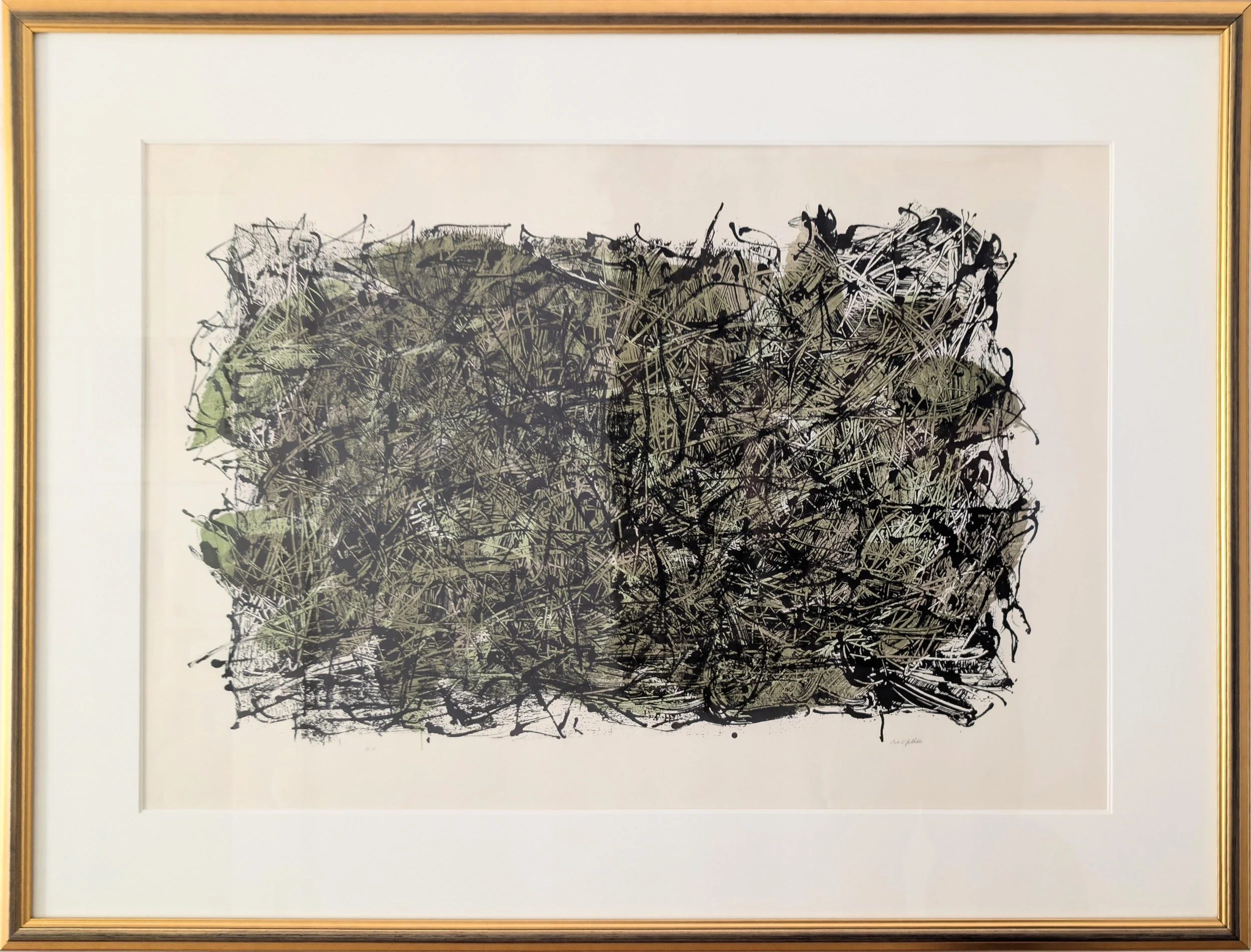 Image 1 of 6
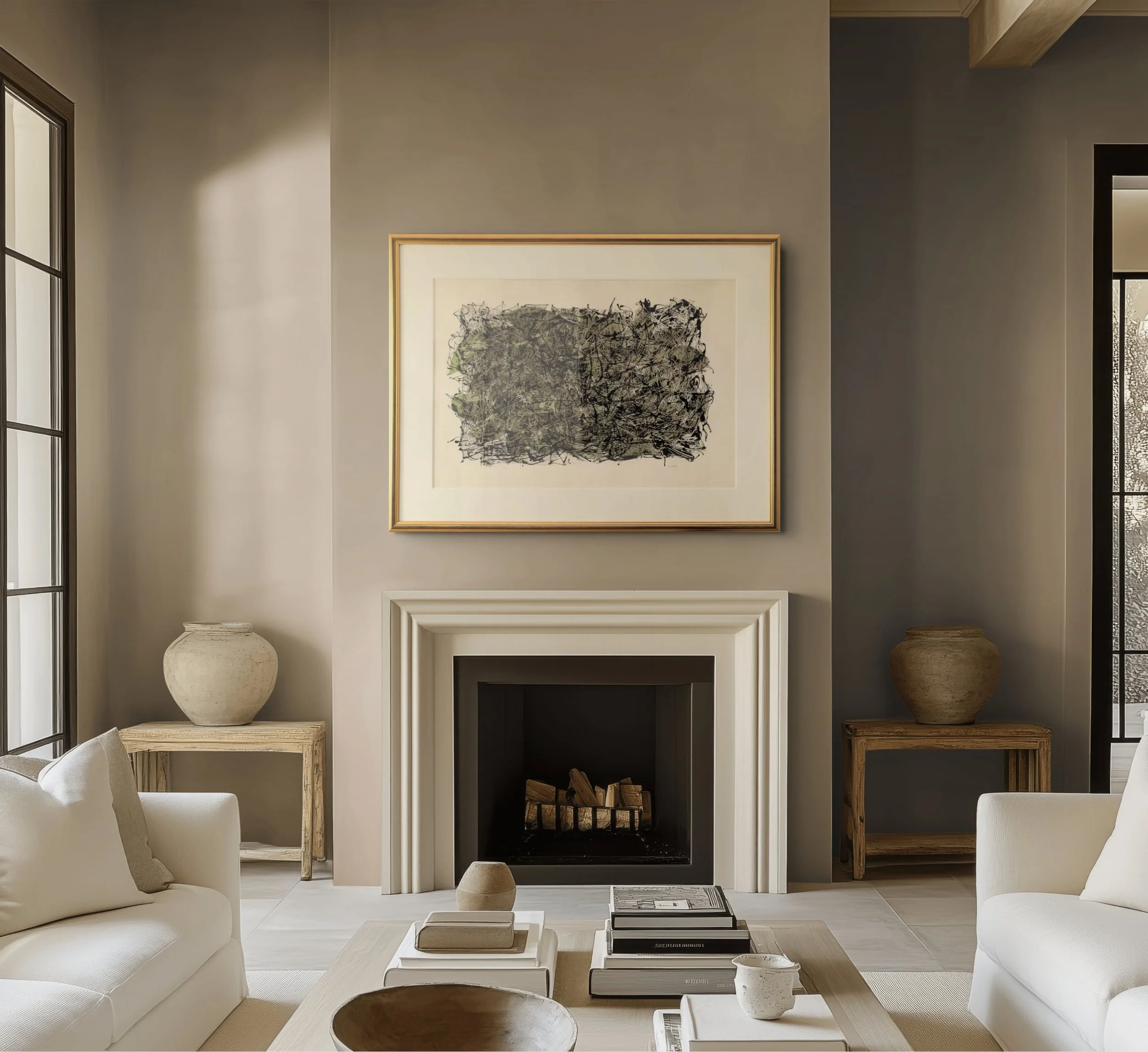 Image 2 of 6
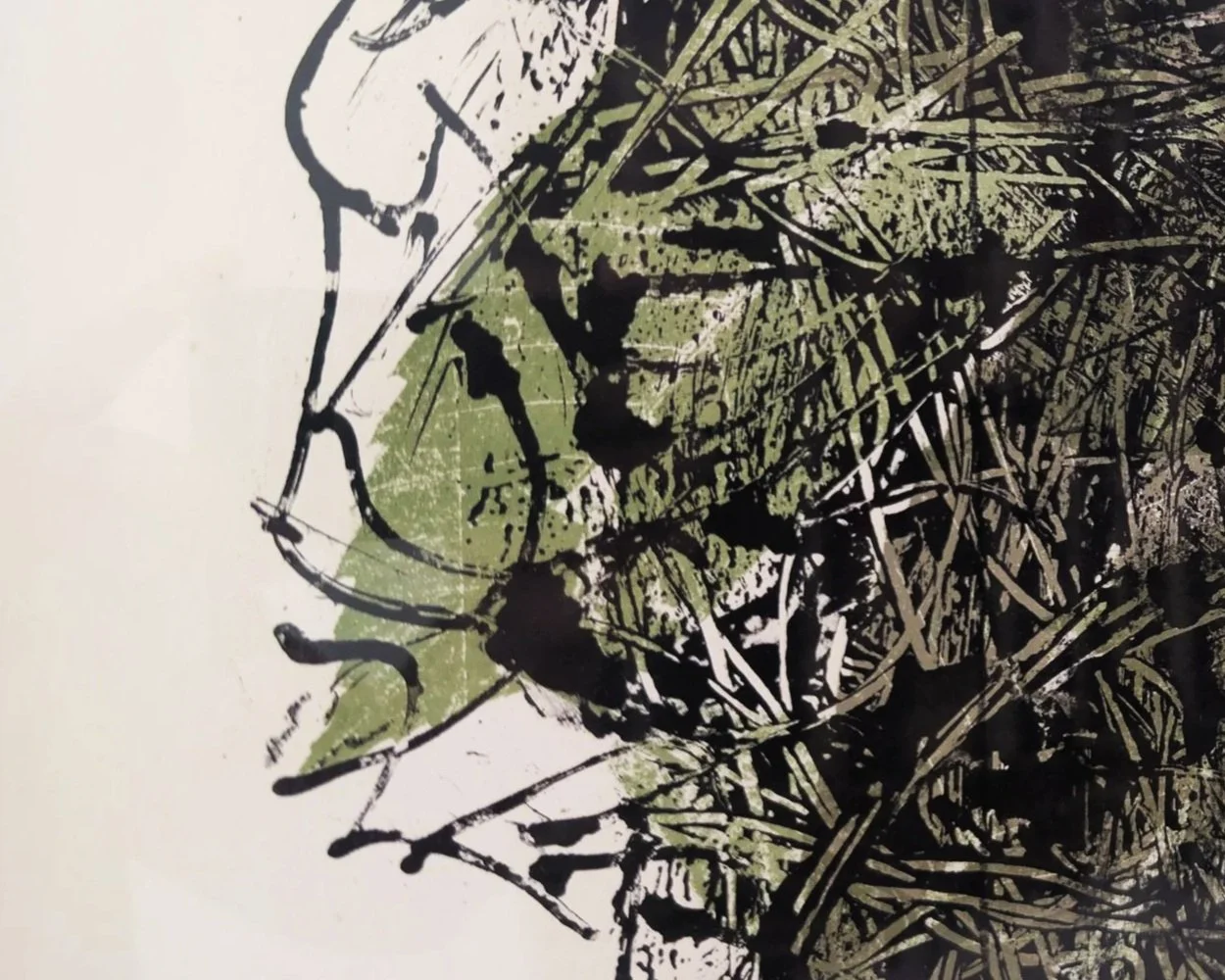 Image 3 of 6
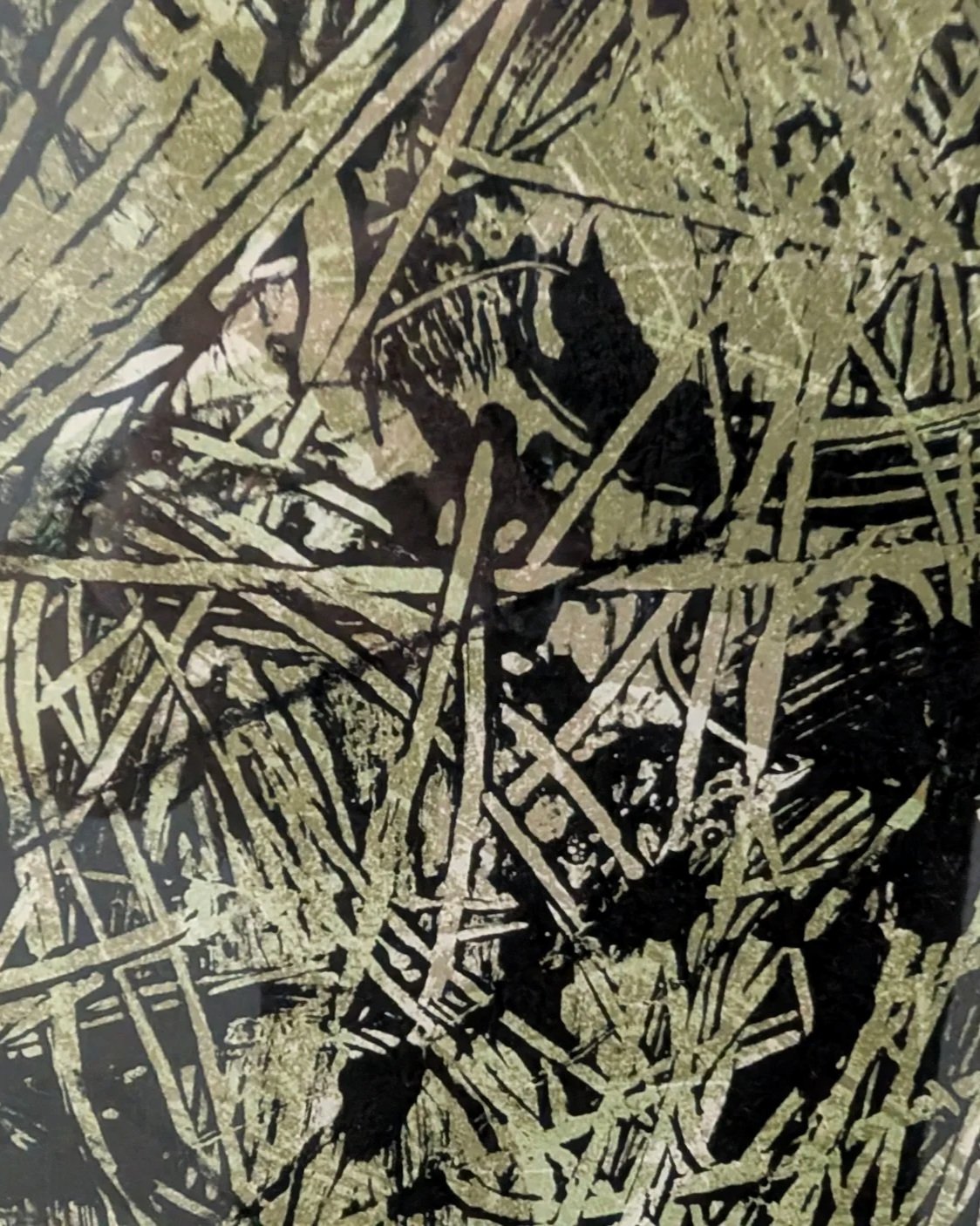 Image 4 of 6
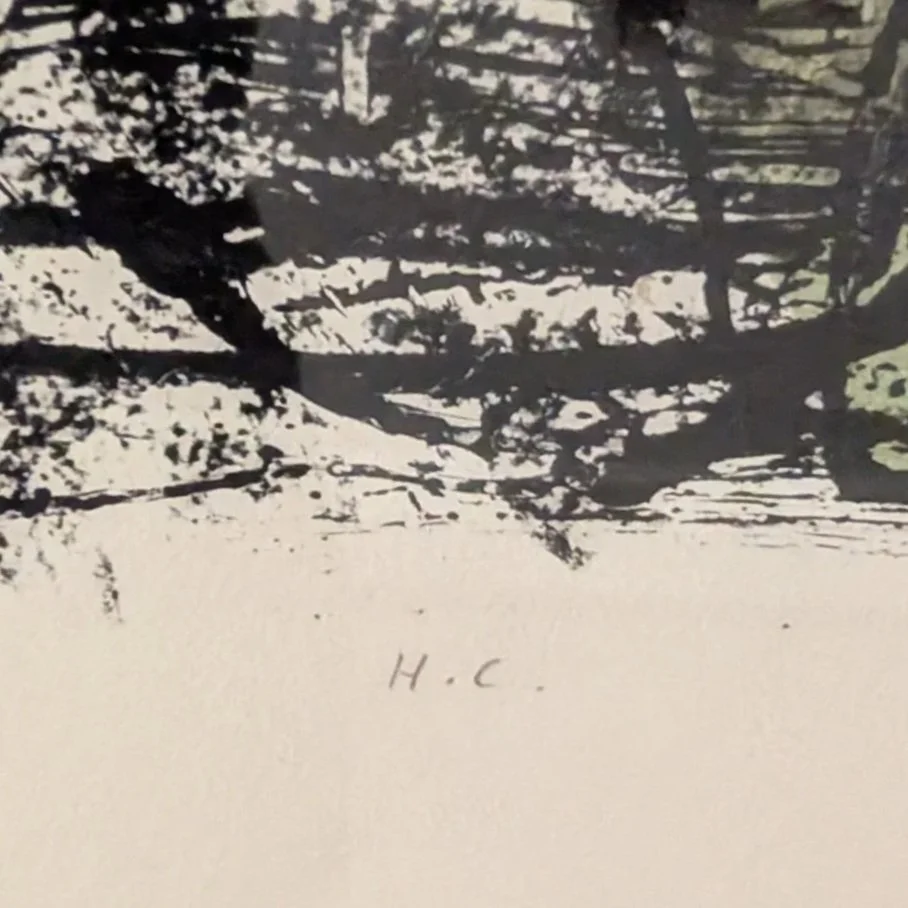 Image 5 of 6
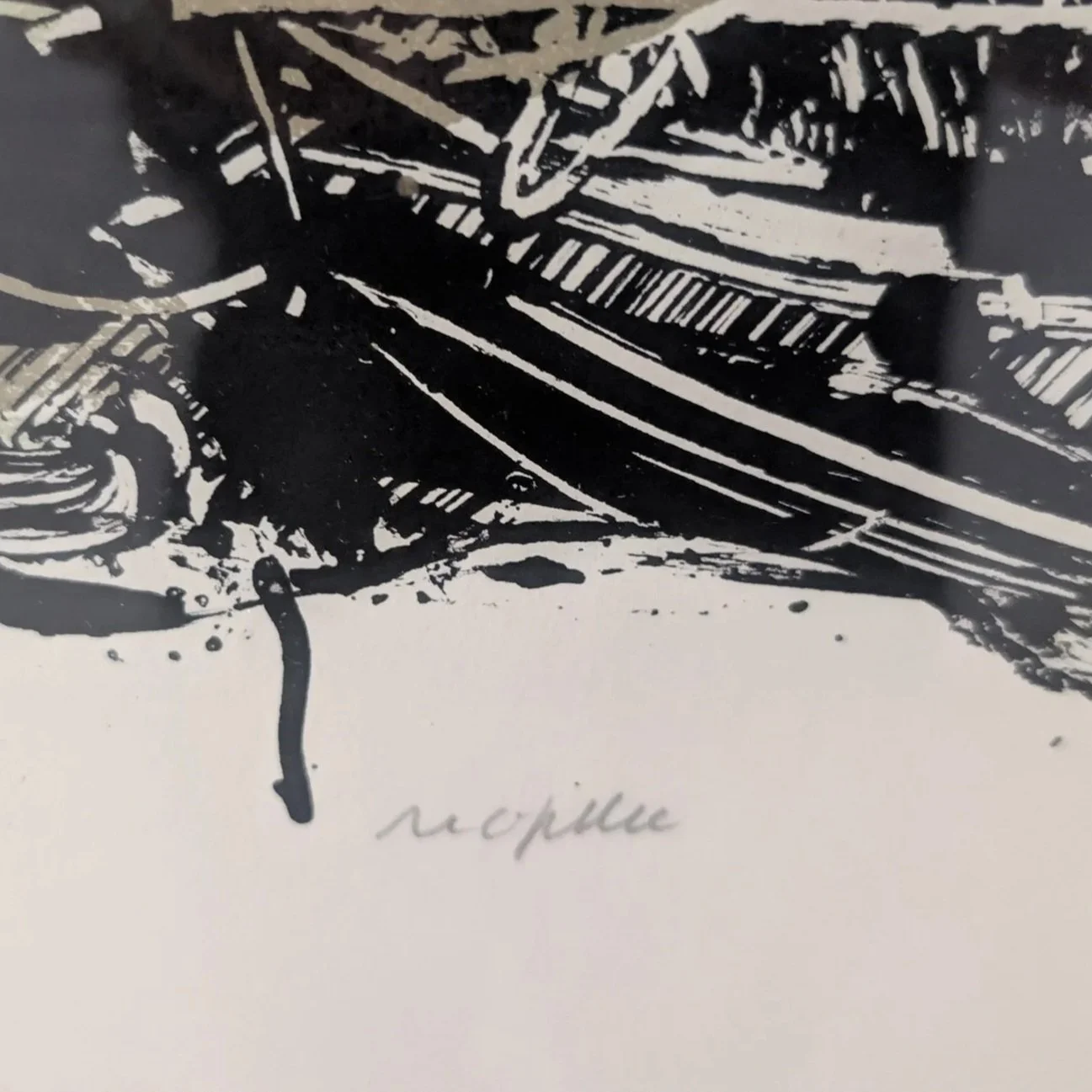 Image 6 of 6