JENNIFER LATOUR
Jennifer Latour is a self-taught artist based in Vancouver, whose practice moves between photography, sculpture, and material performance. Before turning to the camera, she spent nearly two decades working internationally in special effects makeup for film and television, an experience that sharpened her sensitivity to structure, gesture, and the expressive potential of the handmade. Since 2006, she has developed a visual language that merges cinematic perception with sculptural invention, resulting in images that feel at once biological, archeological, and entirely speculative.
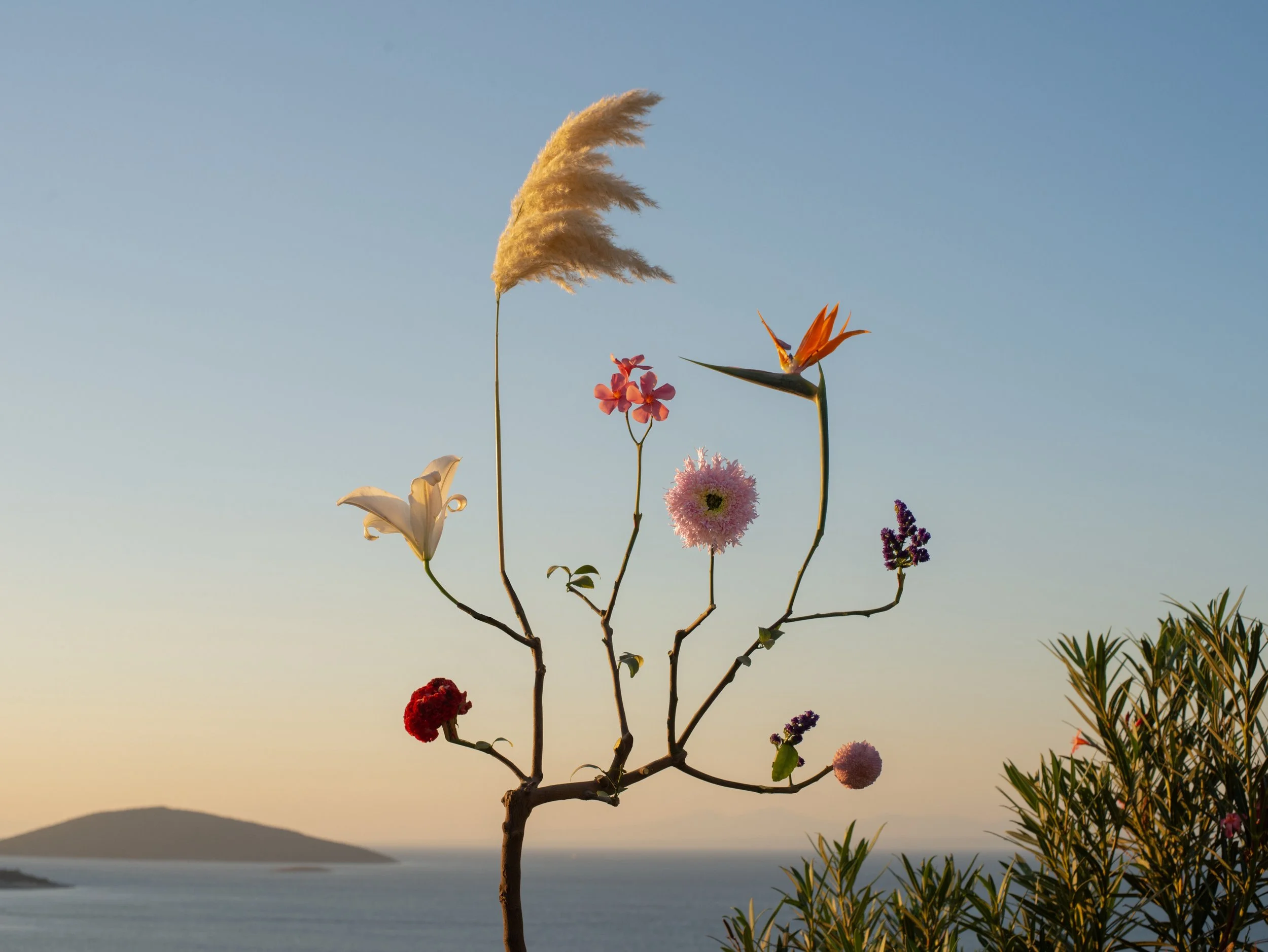
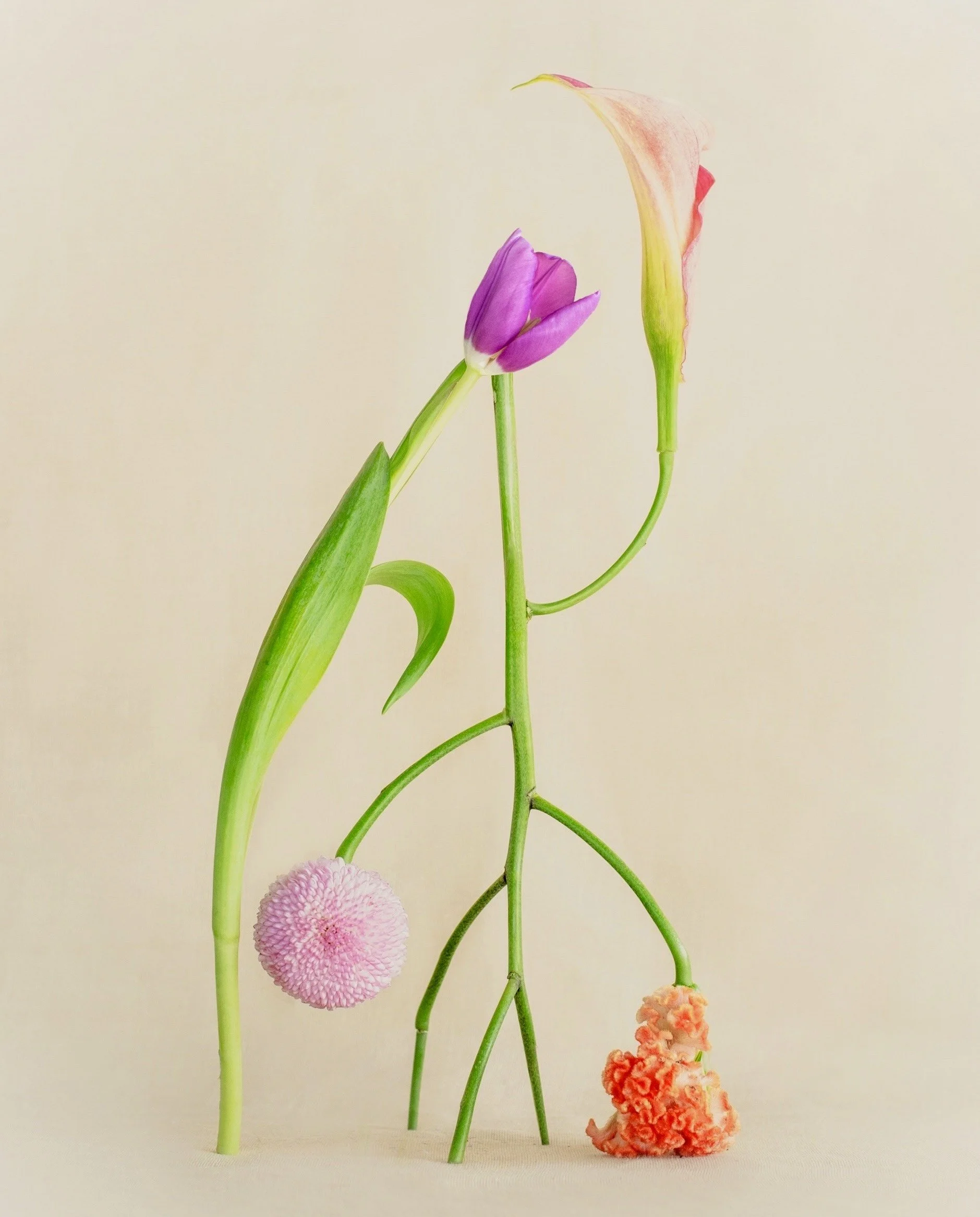
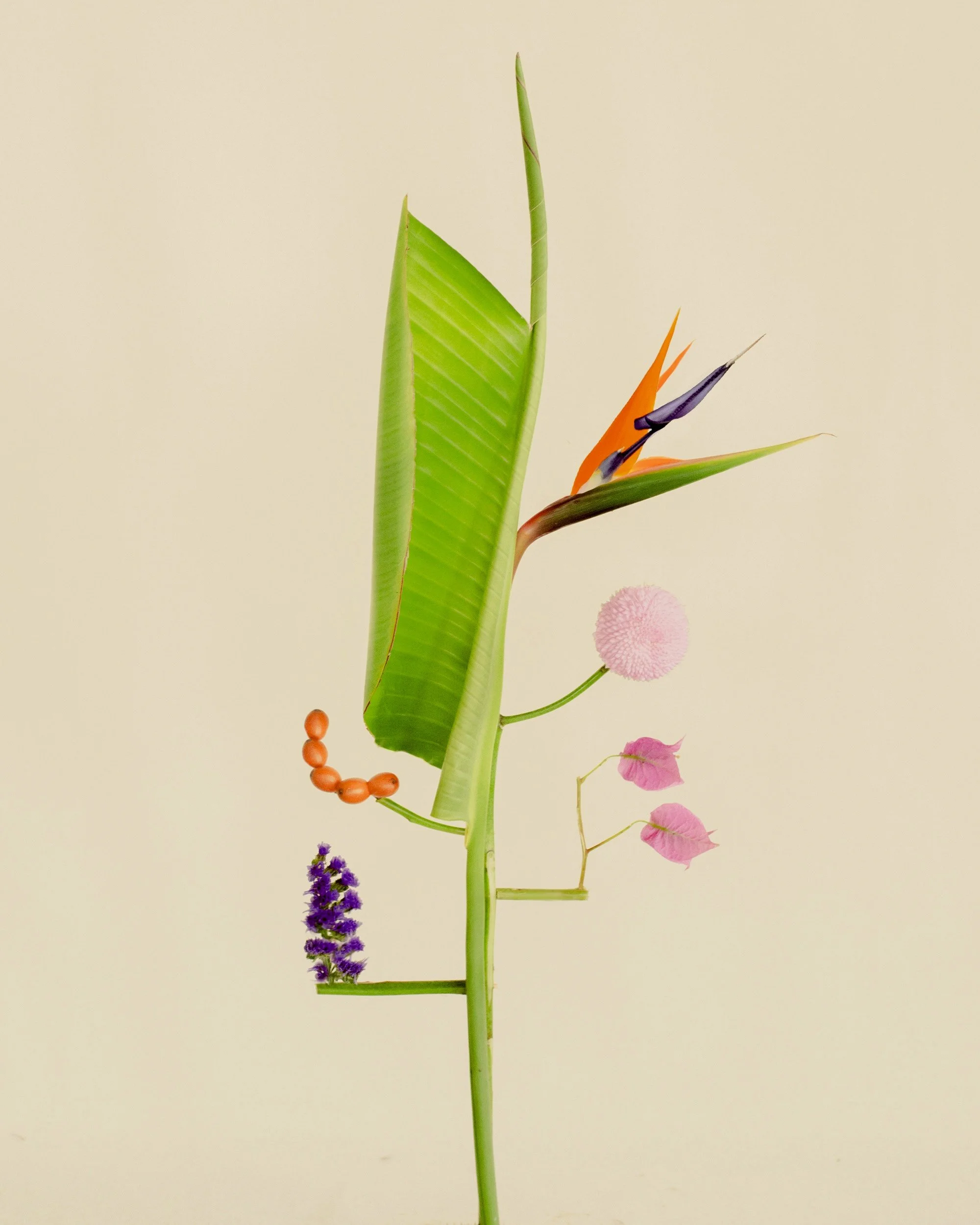
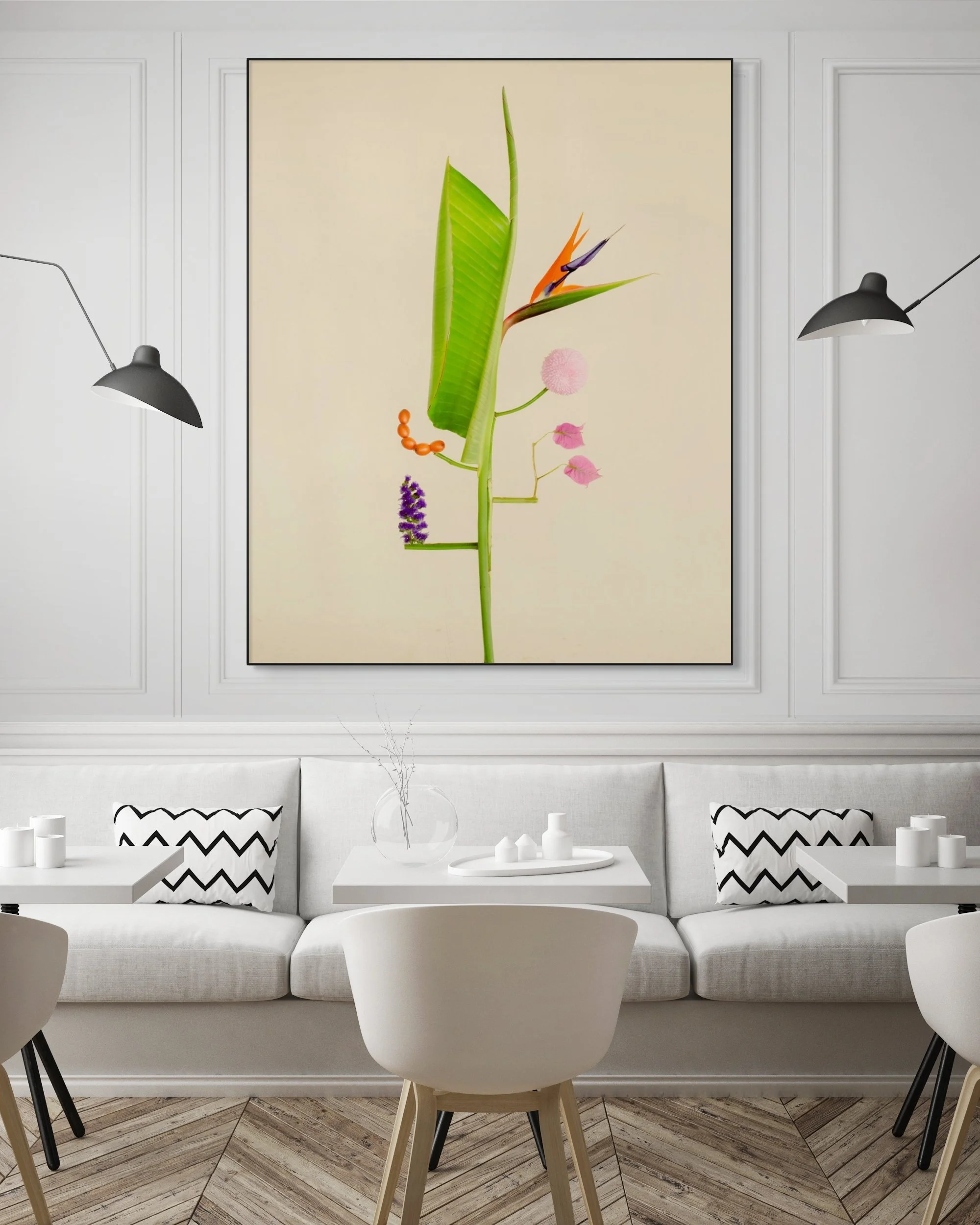
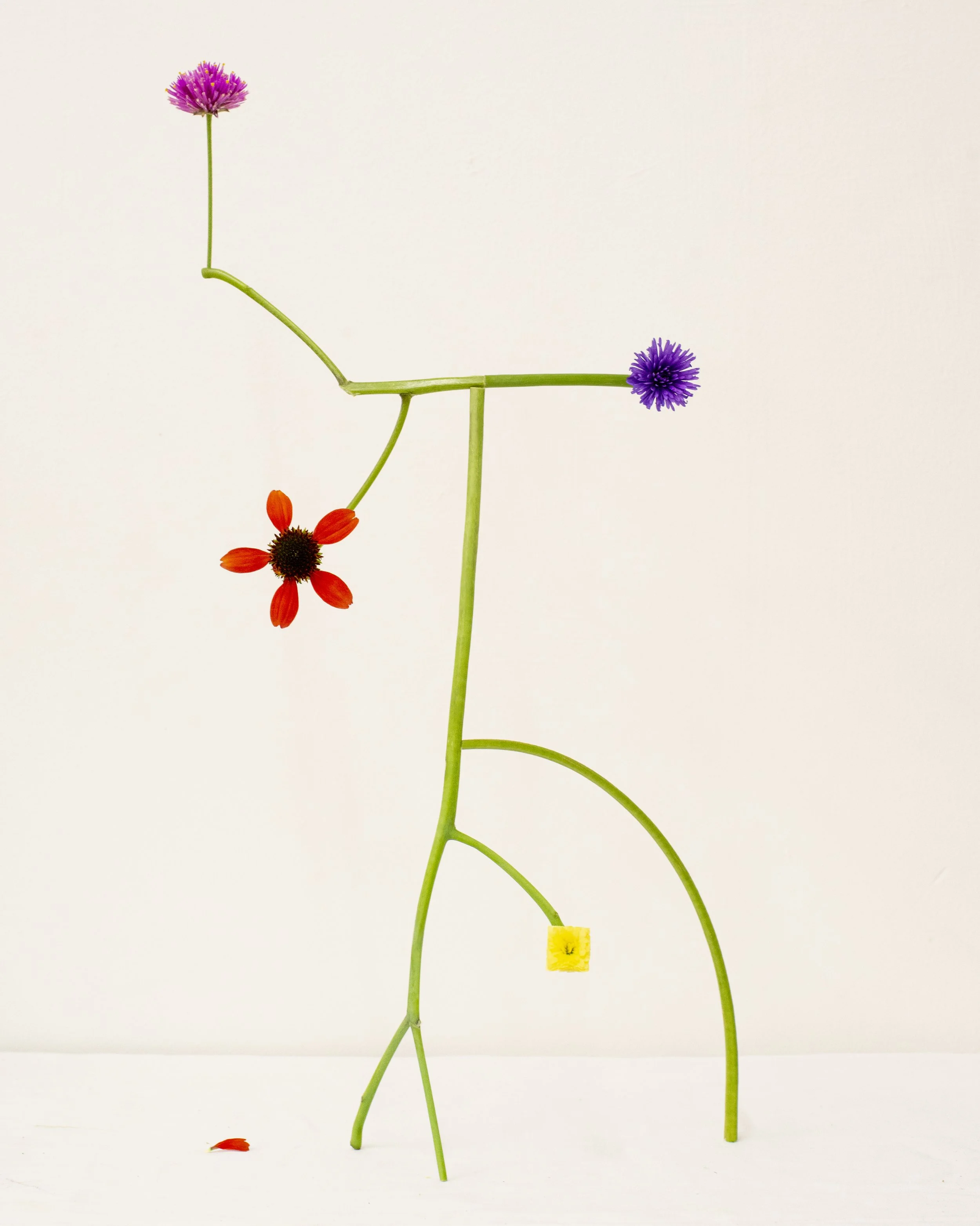
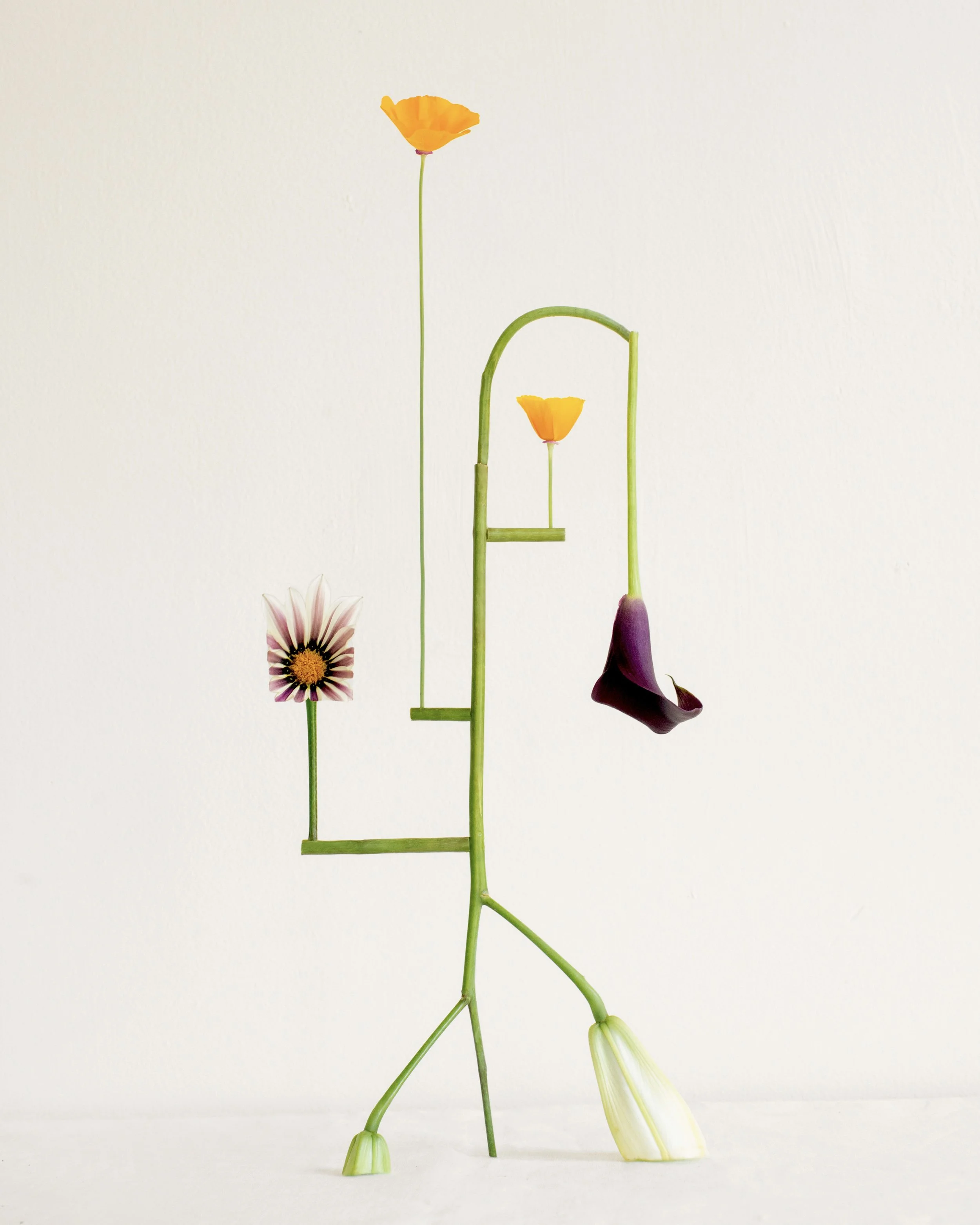
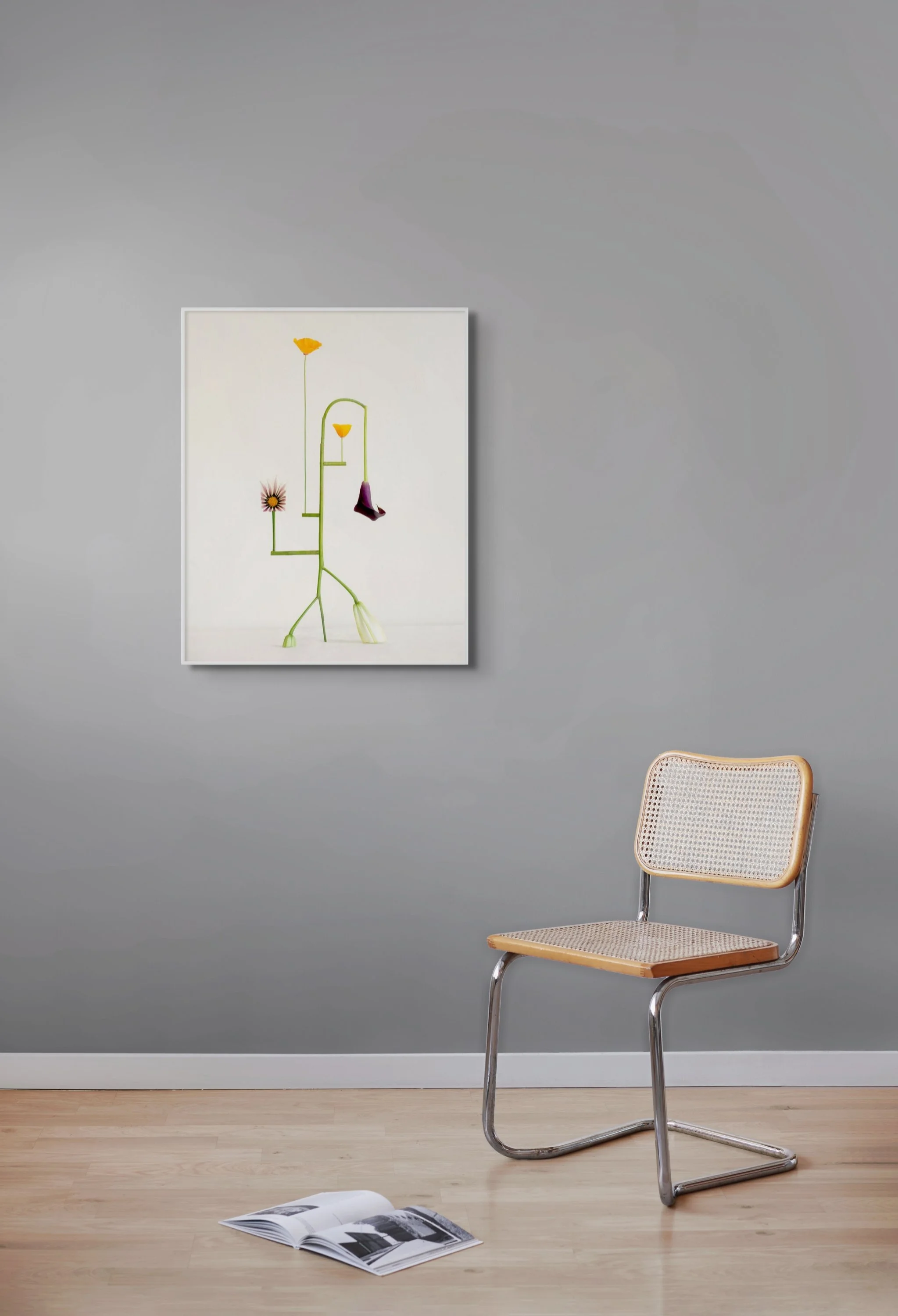
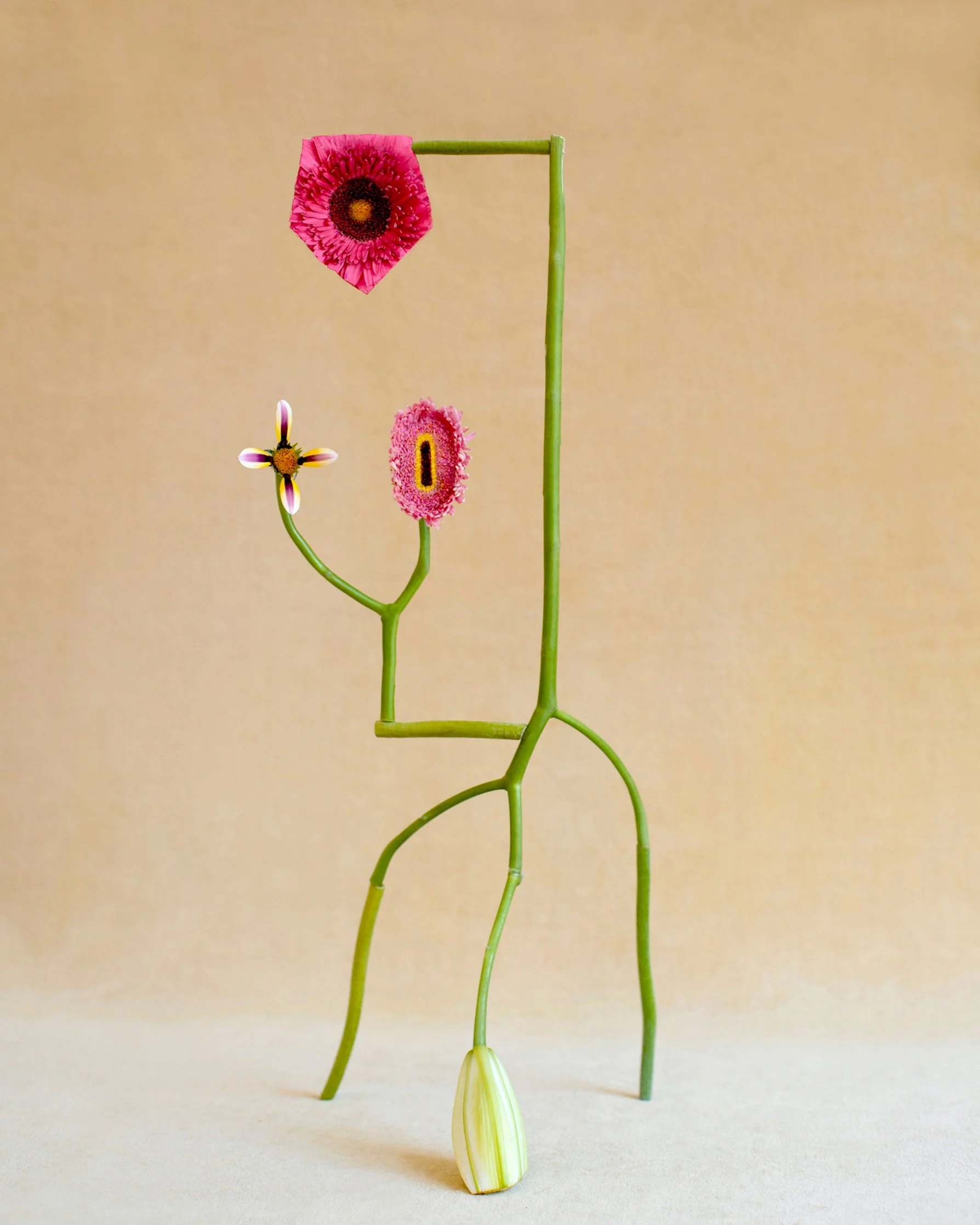
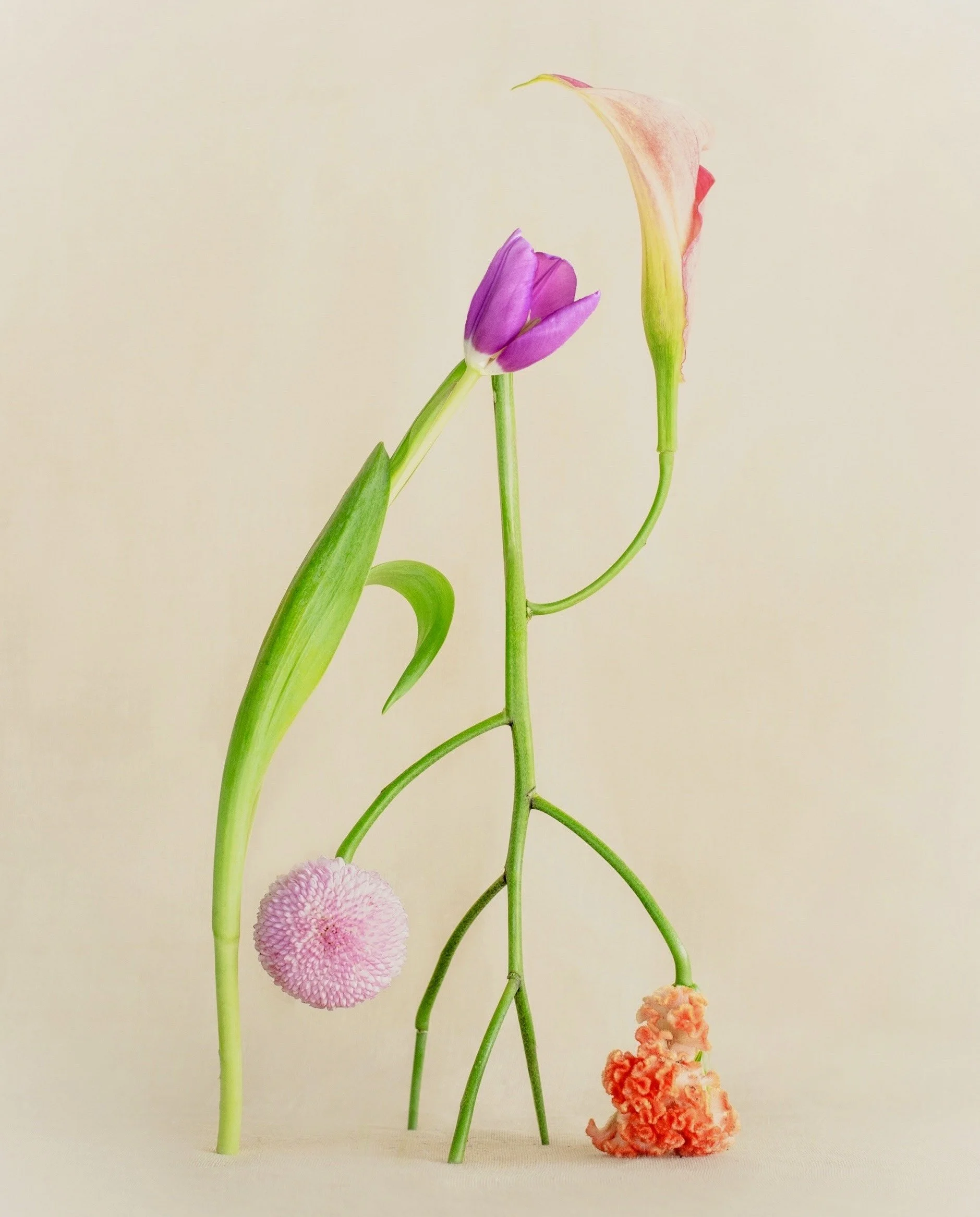
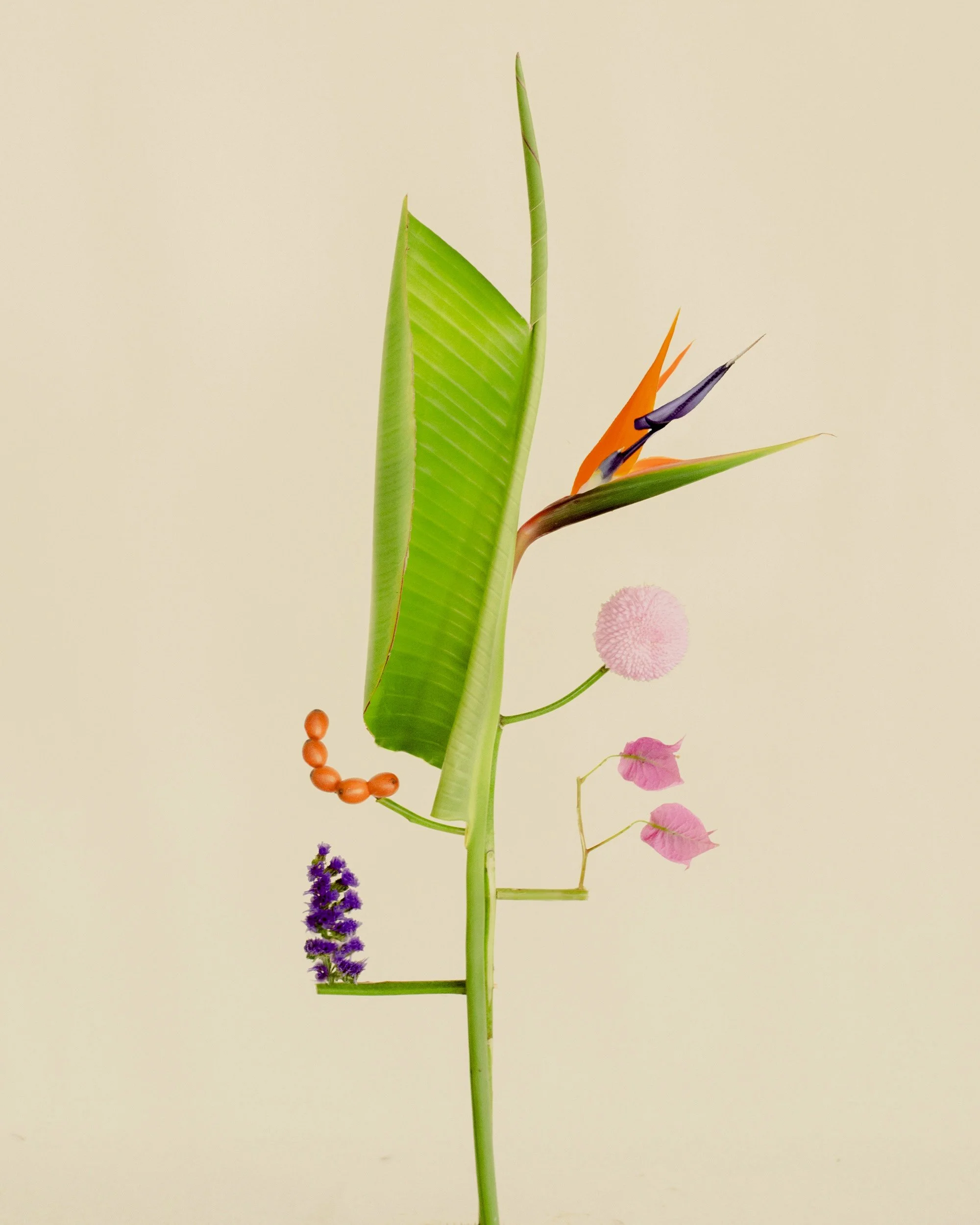
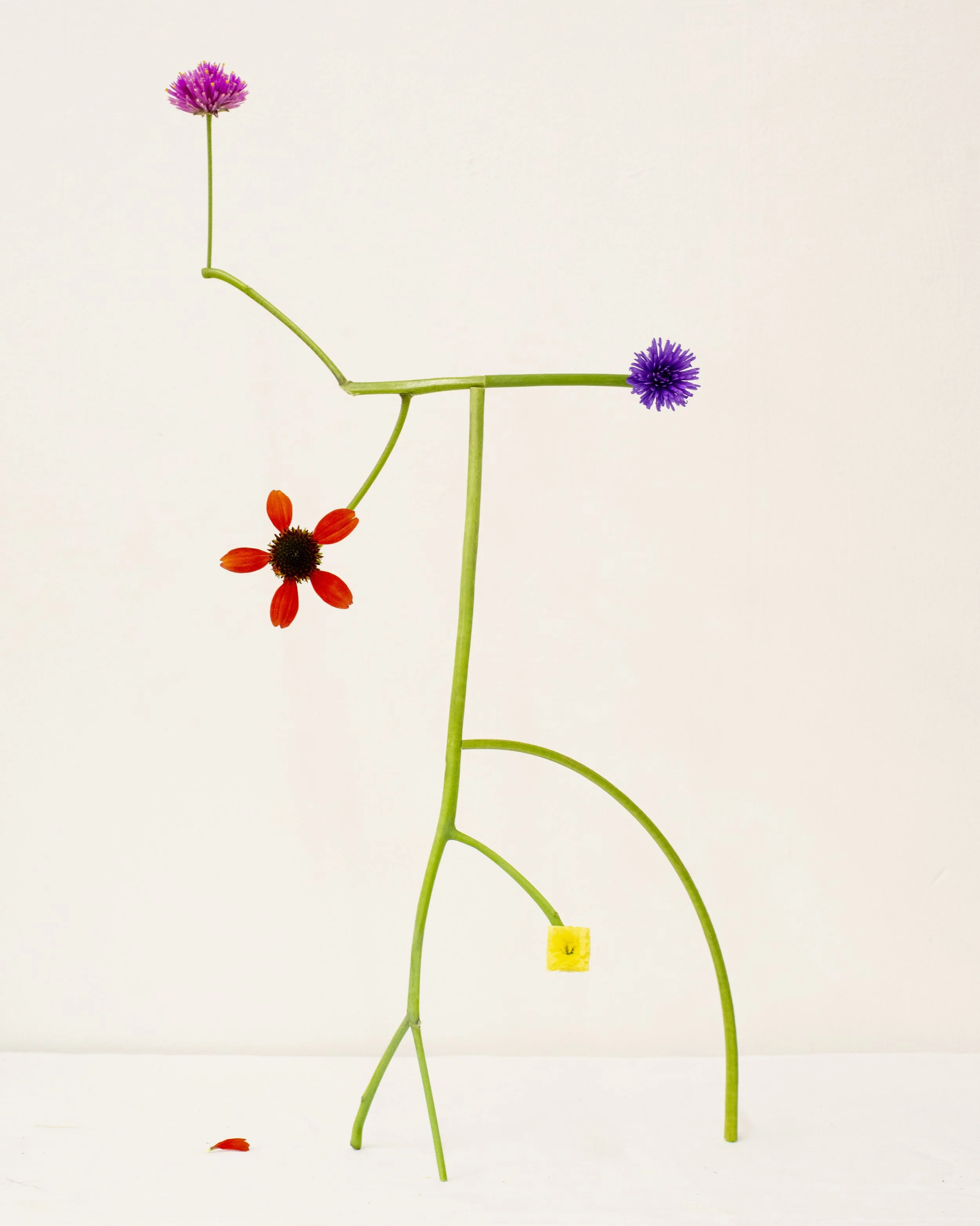
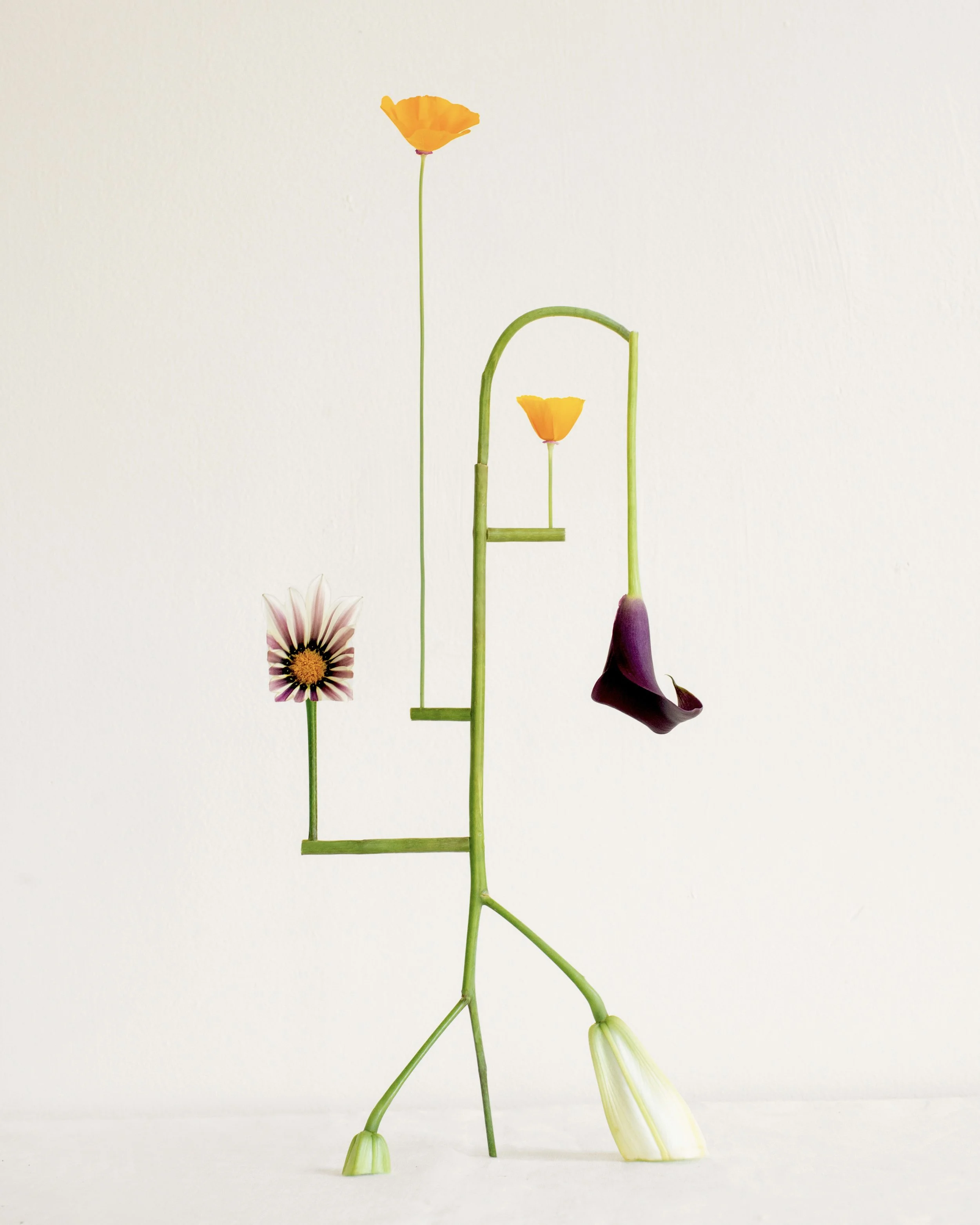
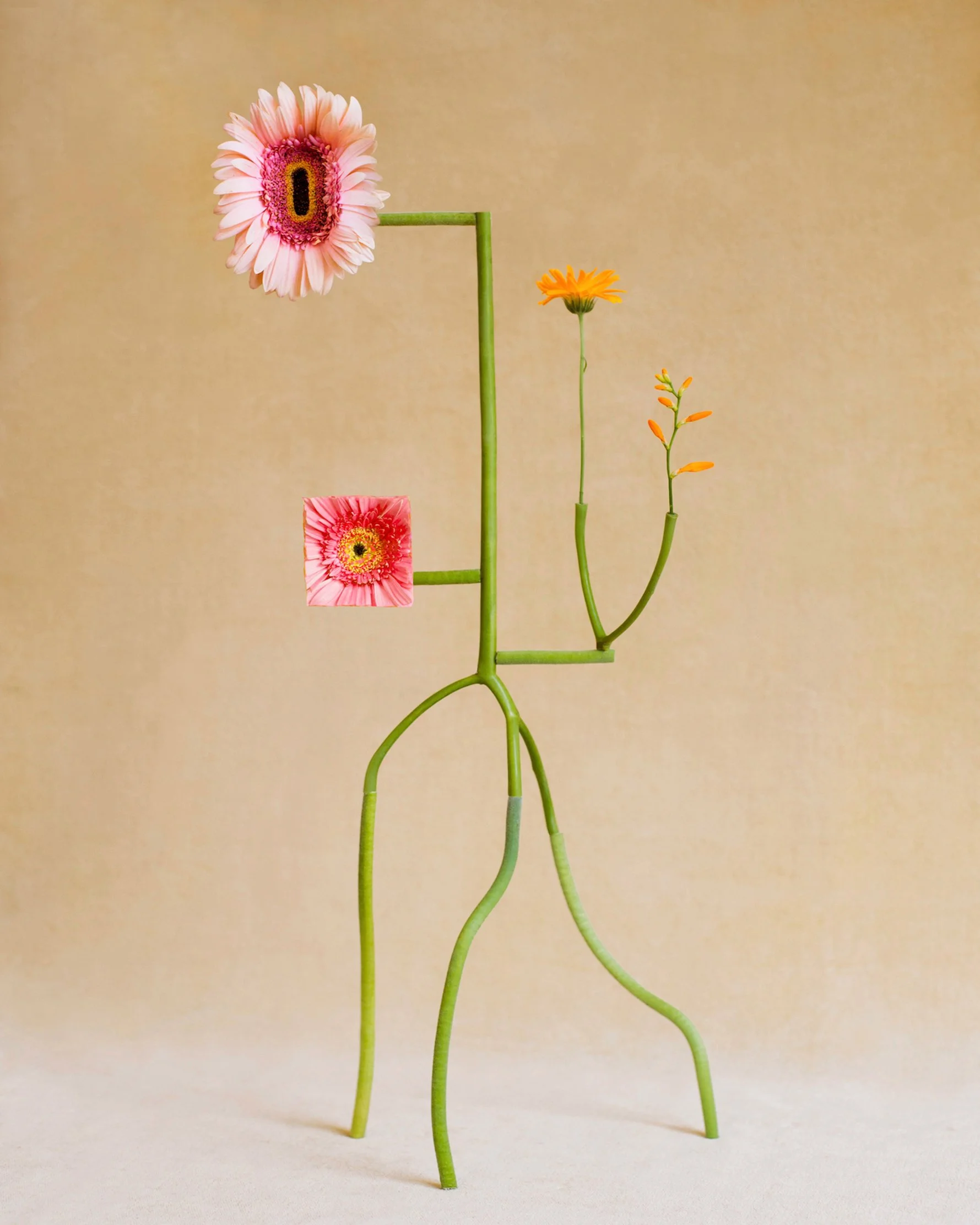
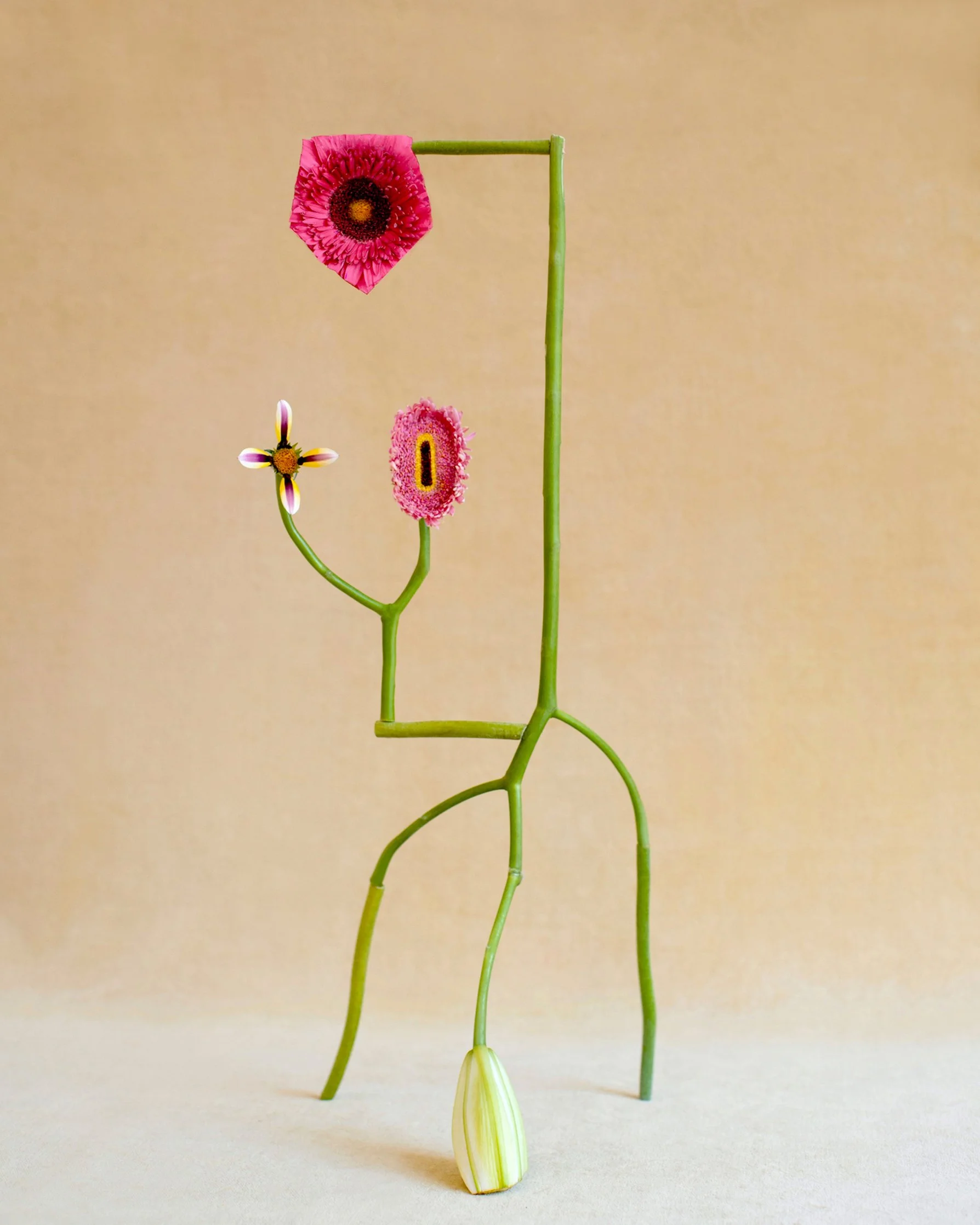
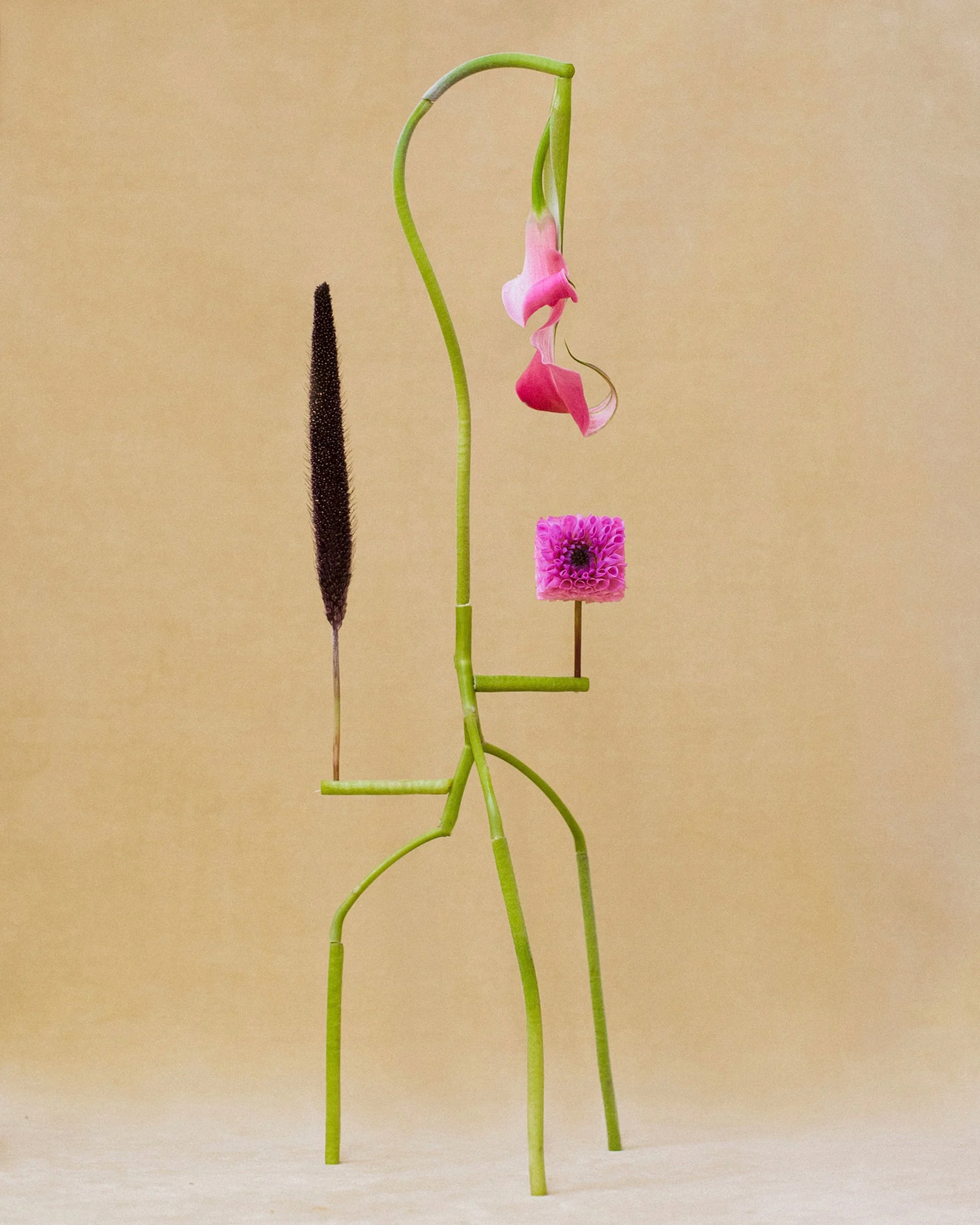
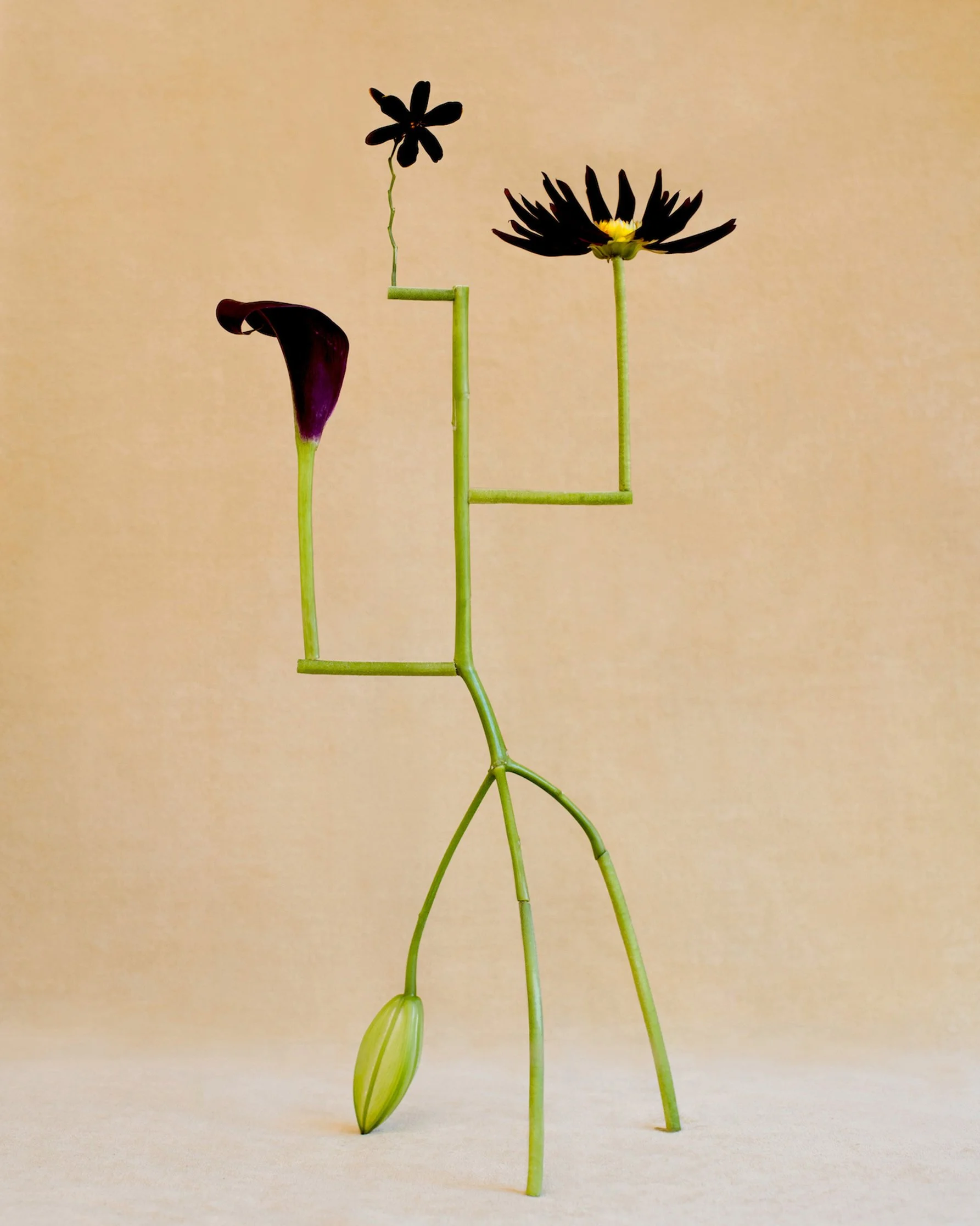
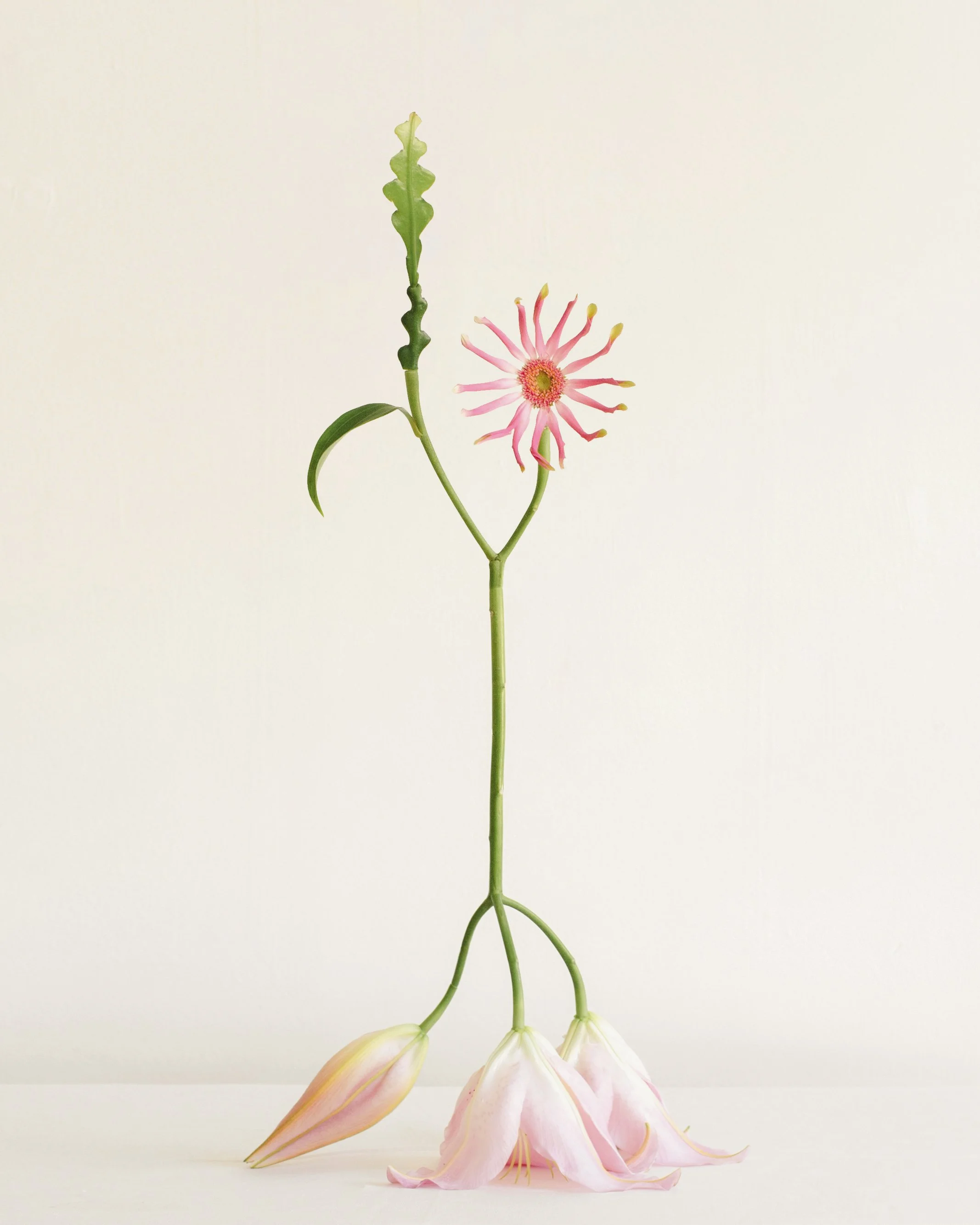
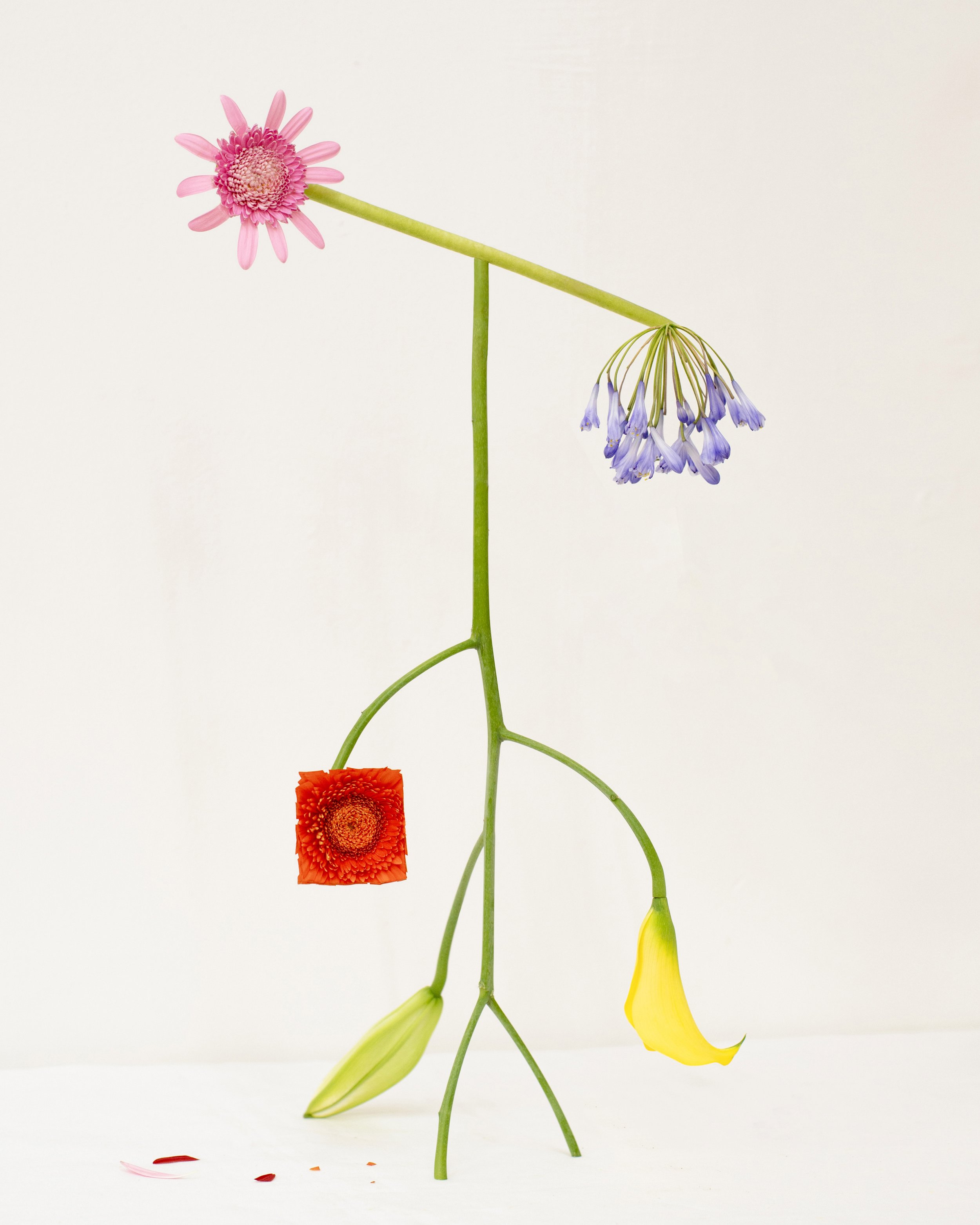
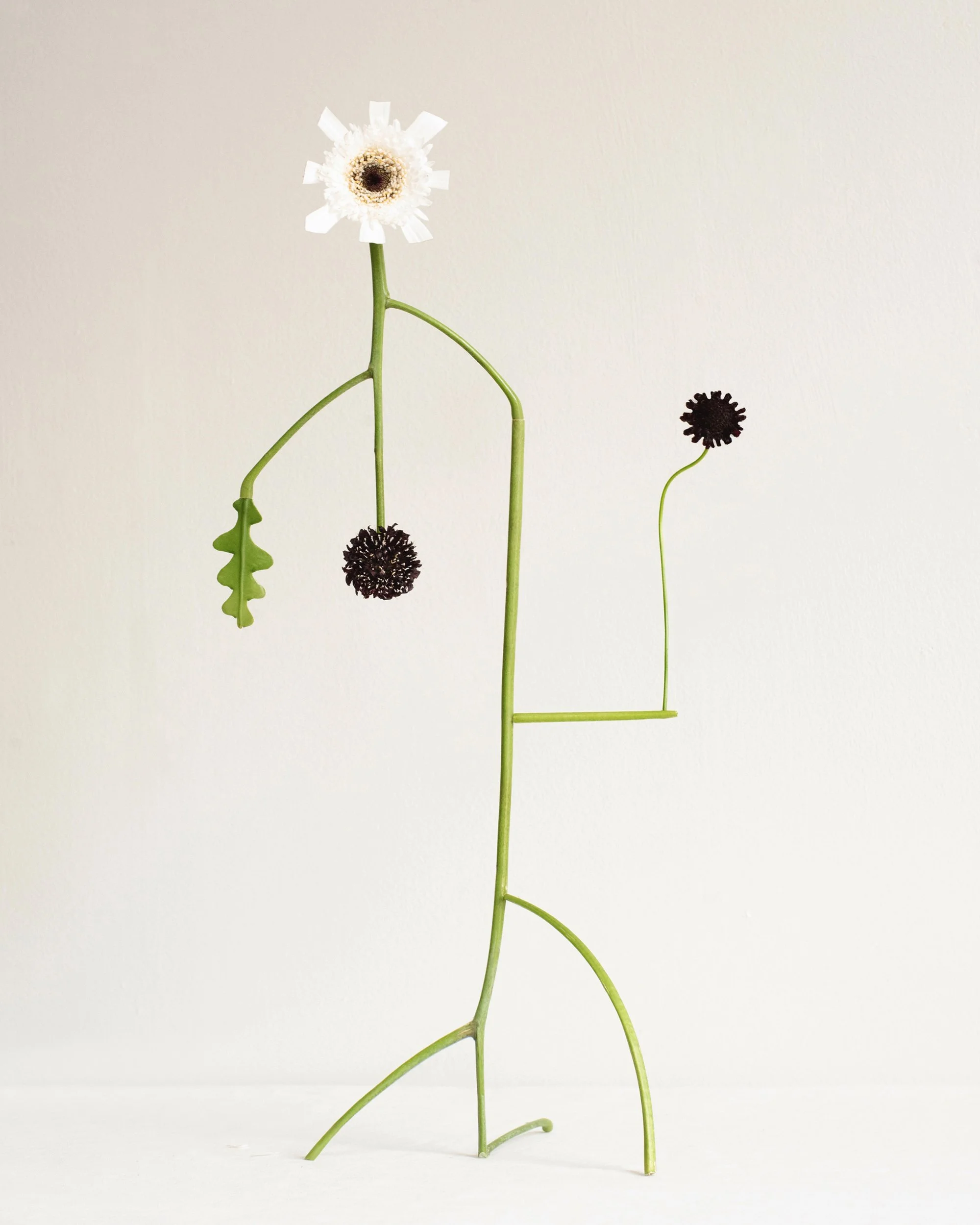
Latour’s imaginative foundations trace back to early illustrated narratives and the visual intensity of music videos, influences that expanded during a formative period in the United Kingdom. The city’s improvisational atmosphere catalyzed a mode of making that is both instinctive and rigorously composed. These sensibilities underpin Bound Species, the ongoing series that first brought wide recognition to her work. Initiated during the early months of the 2020 lockdown, the series begins with ephemeral botanical assemblages constructed entirely by hand from locally sourced flowers and plant material. Latour balances, carves, splices, and engineers these hybrid organisms with a precision shaped by her special effects background, crafting forms that appear animated by their own internal intelligence.
In an era marked by digital manipulation and AI-driven image making, her insistence on constructing each species physically places her within a lineage of artists who explore the space between natural structure and imaginative projection. Her work carries conceptual resonance with Karl Blossfeldt’s typological clarity and the intuitive engineering found in Alexander Calder's standing mobiles. Her isolated forms also echo the compositional clarity of nineteenth-century Swedish botanical studies, particularly those shaped by the Linnaean tradition, where plant species were catalogued with precision and presented as singular specimens. Like Calder’s standing mobiles, her assemblages depend on equilibrium, weight, and a quiet choreography of support, heightening their sense of imminent movement and internal poise.
Latour’s practice extends beyond the studio and gallery into the public realm. In collaboration with Aritzia, she created large-scale sculptural installations featured in window displays across Canada and the United States, translating the bold geometries of her Shapeshifter series into architectural forms with a commanding presence.
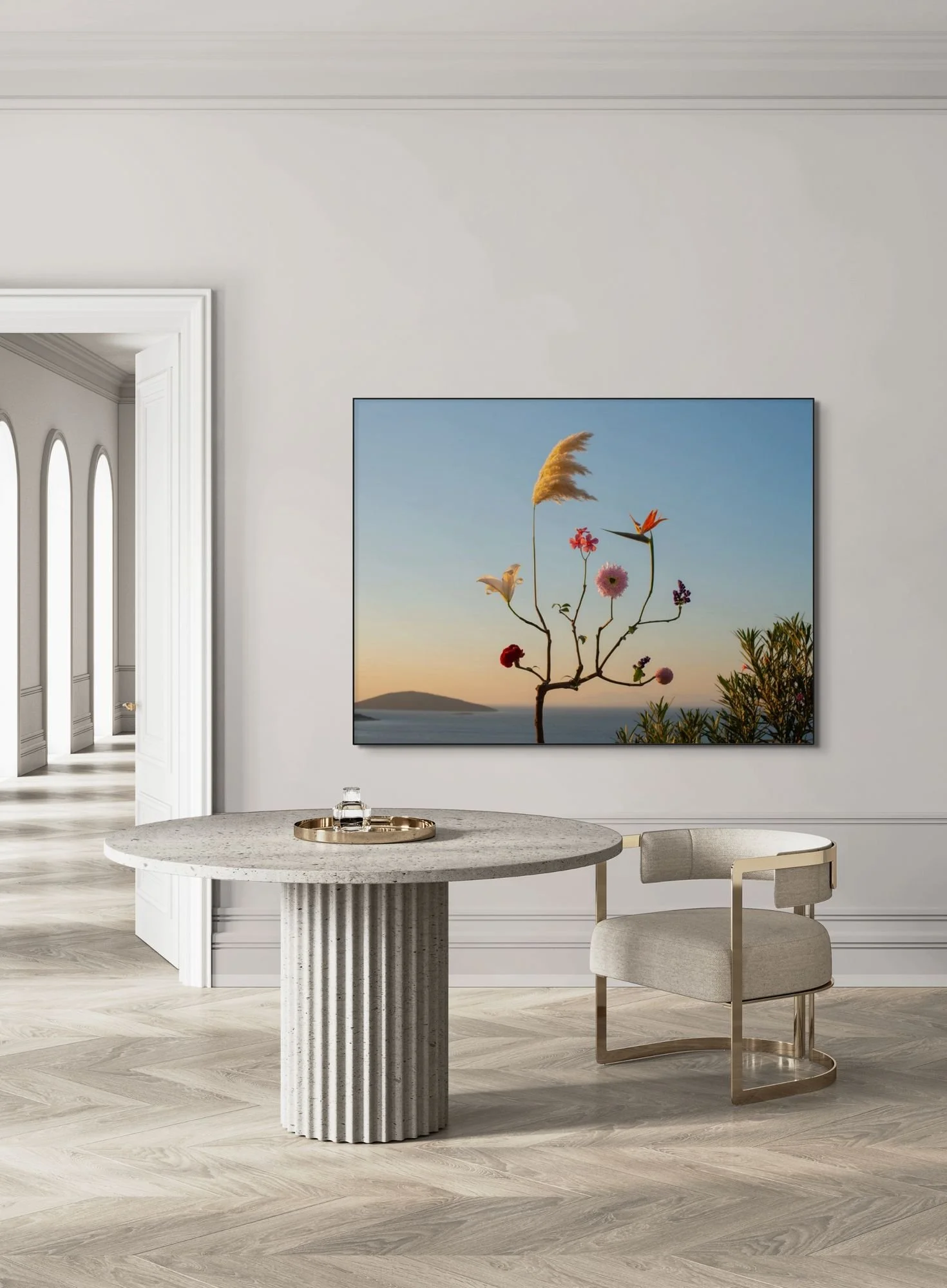
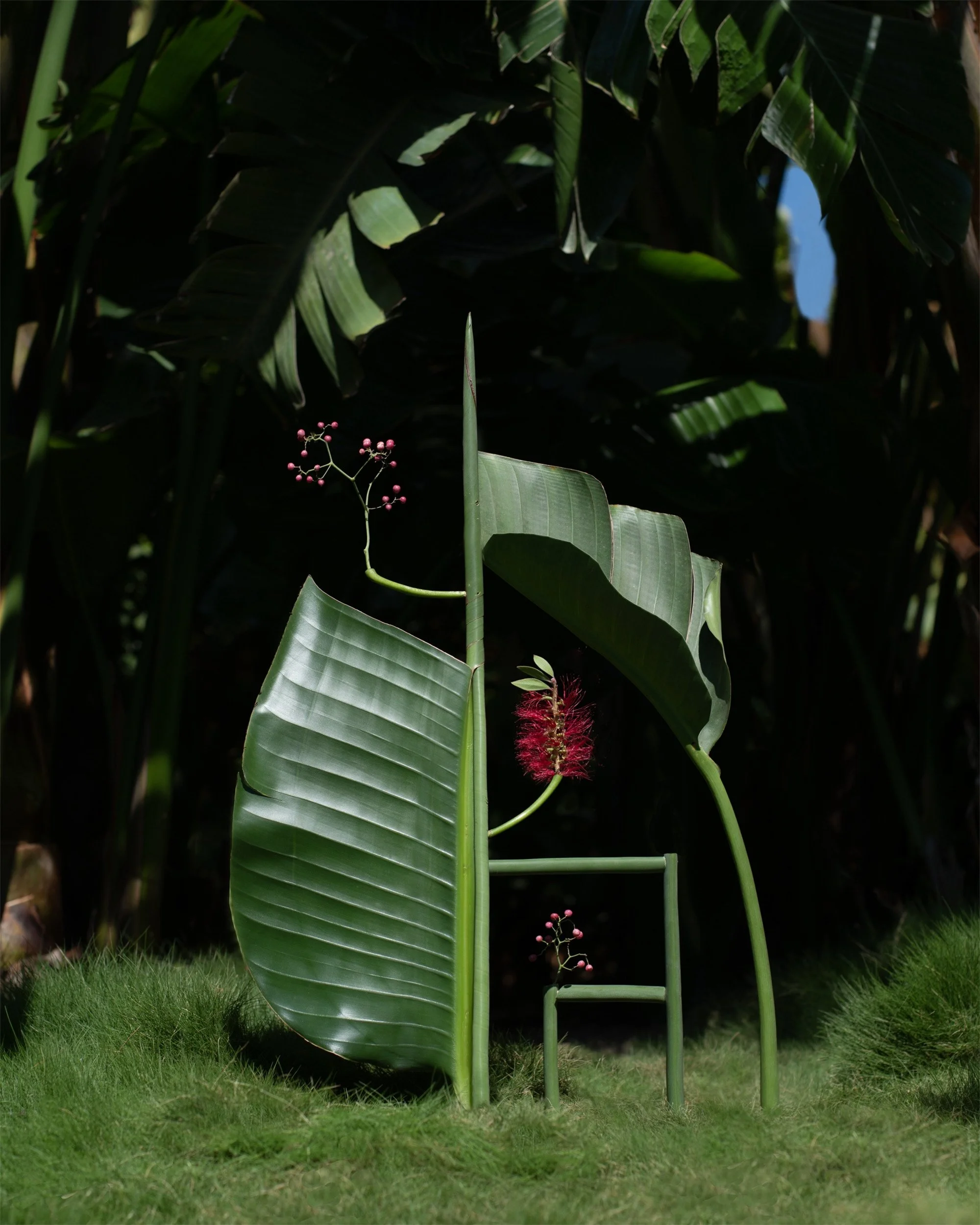
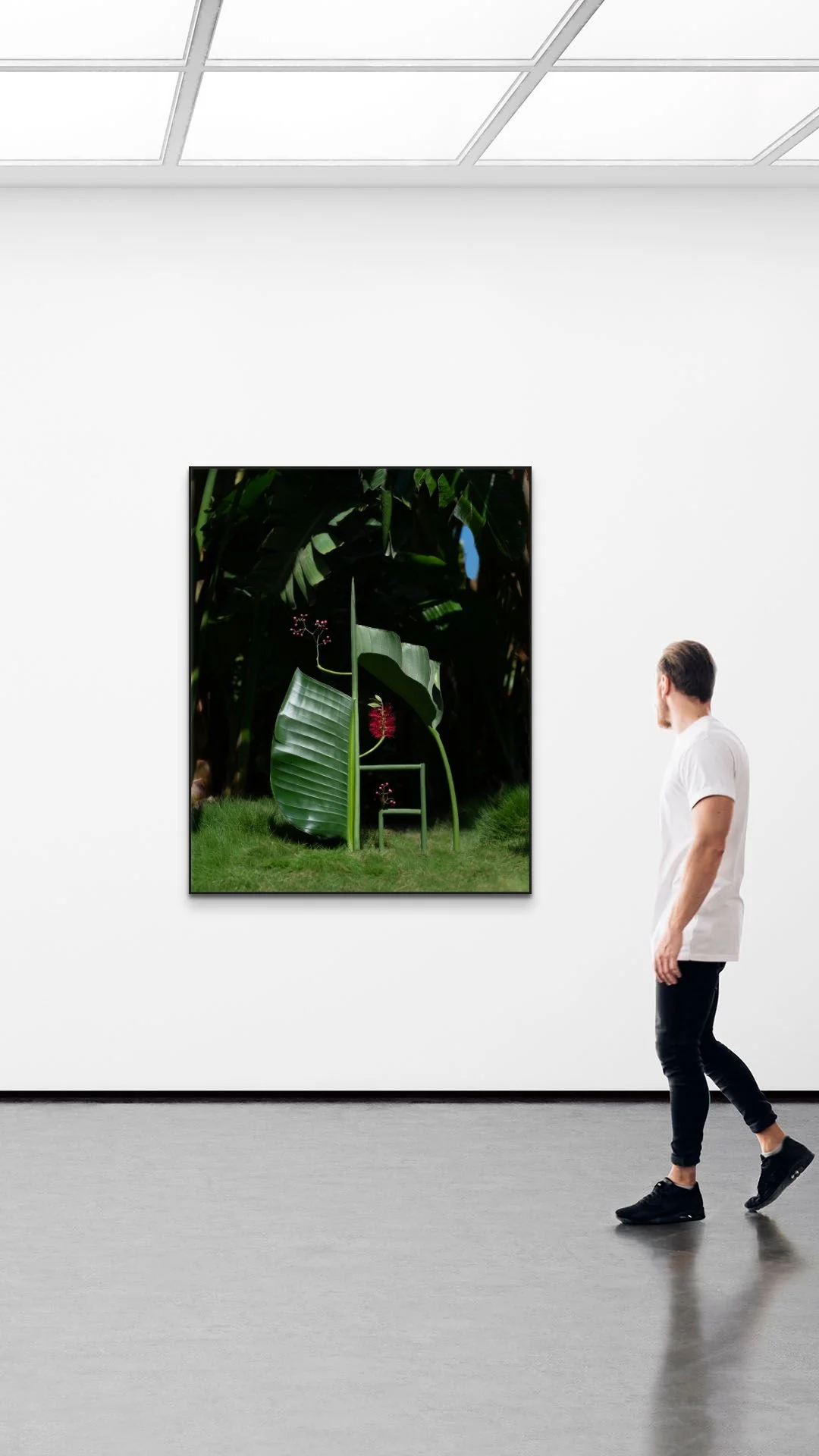
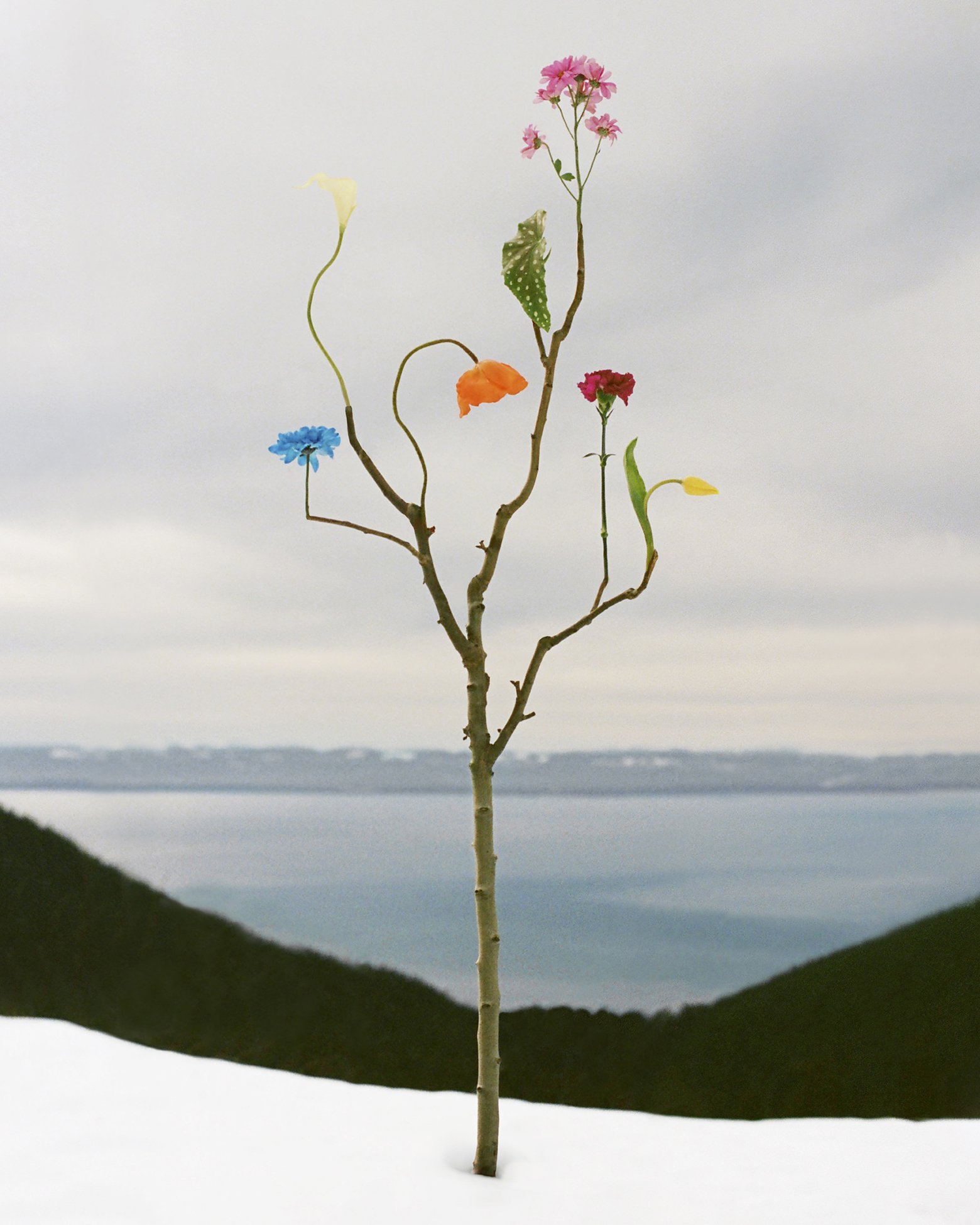
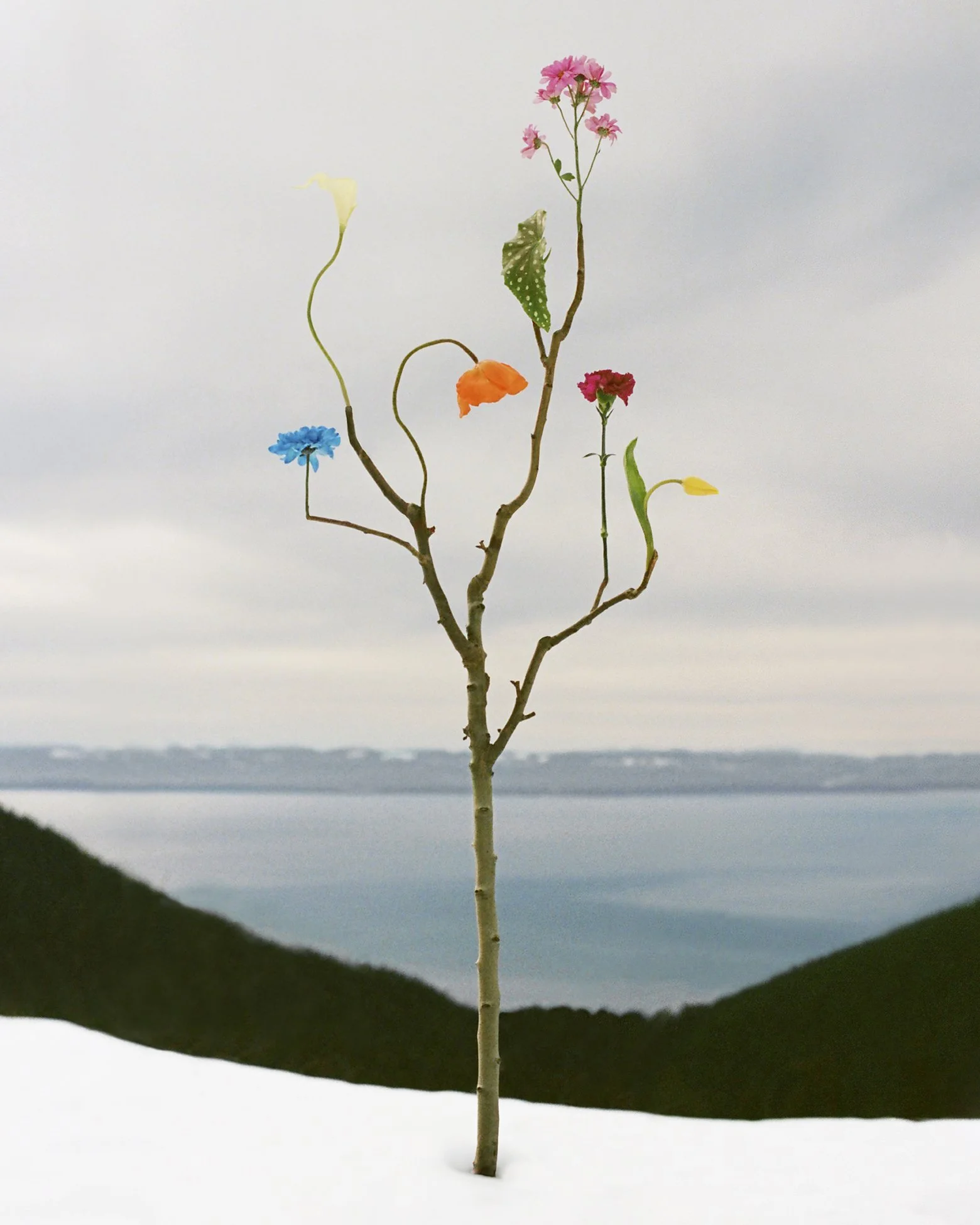
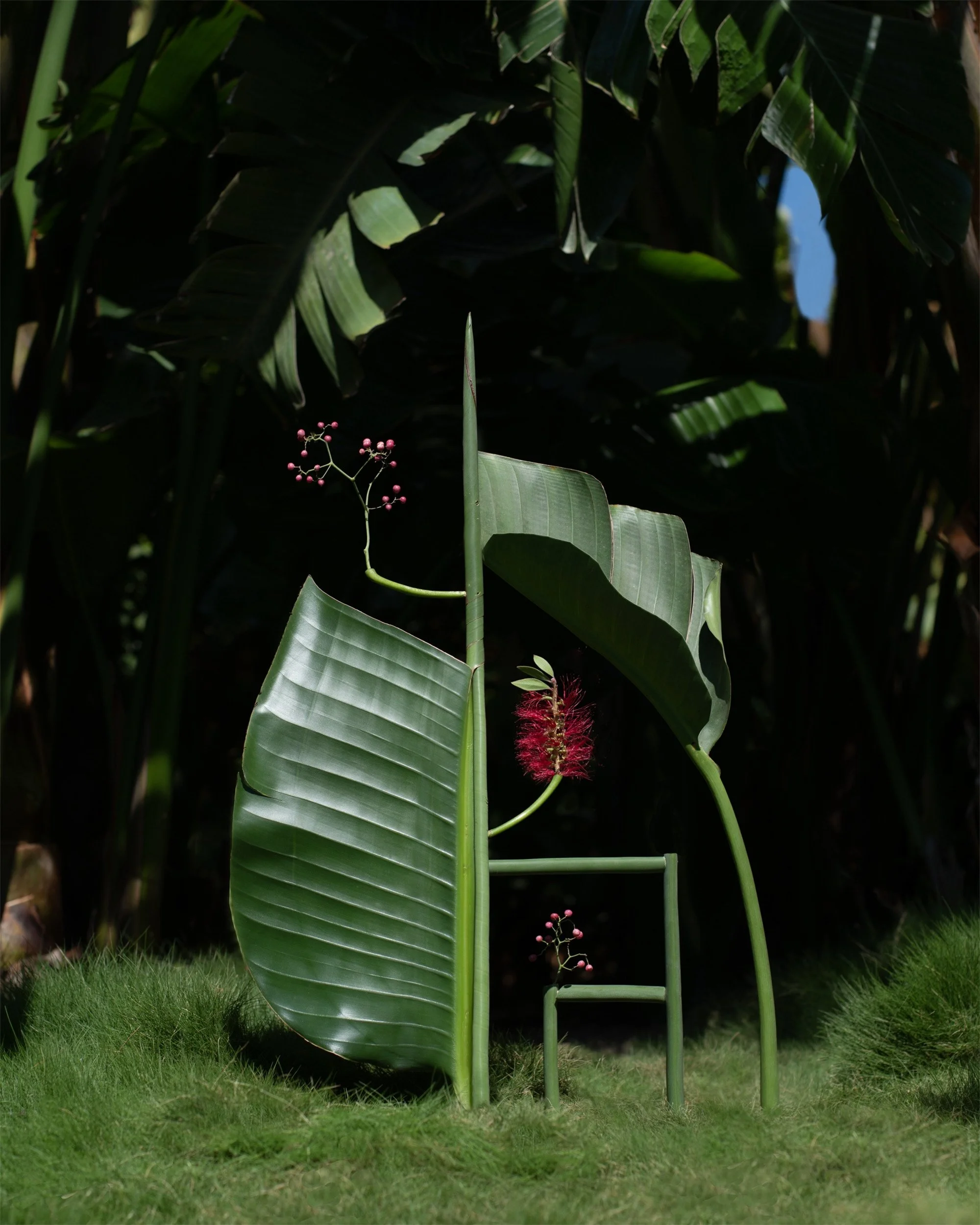
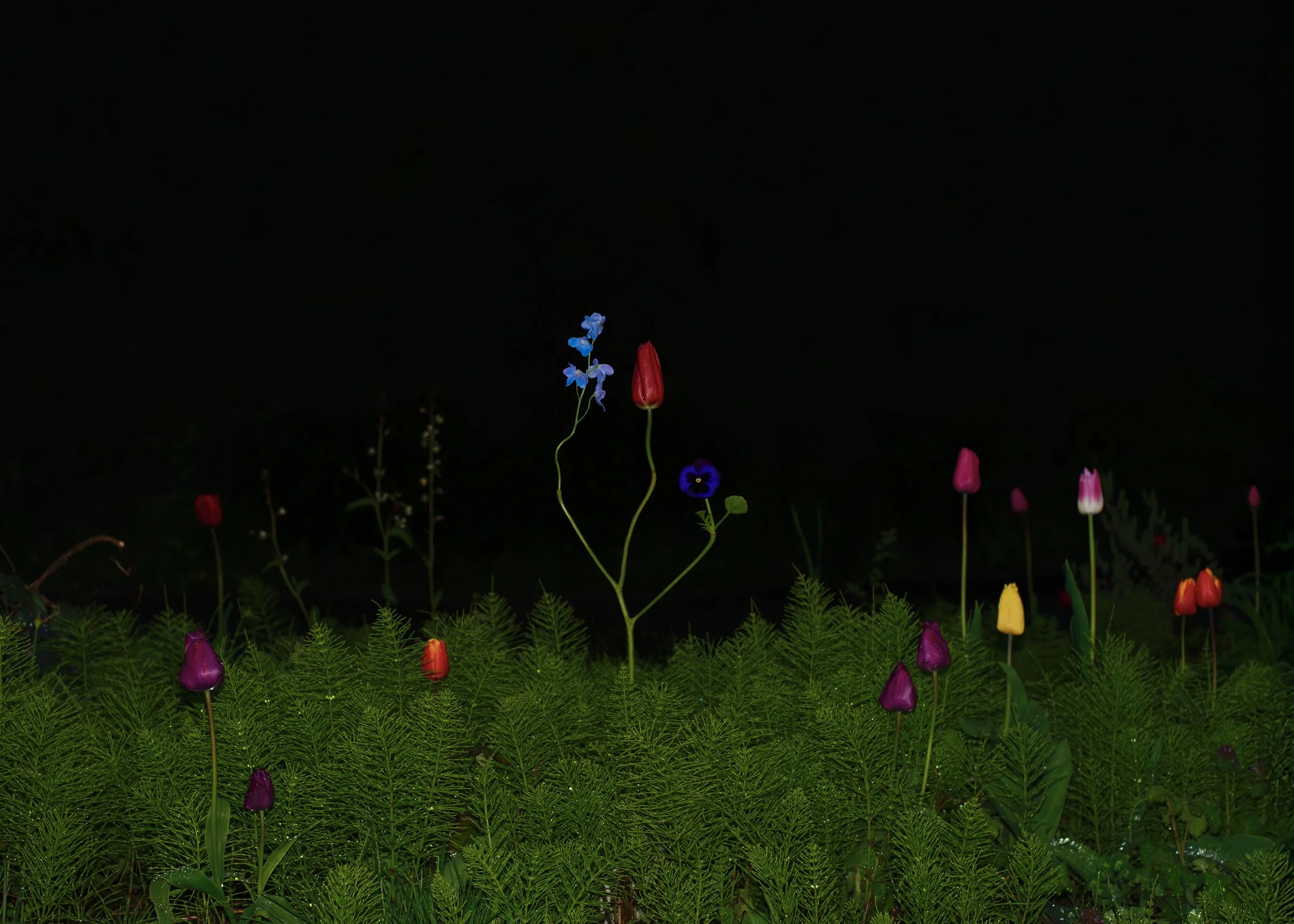
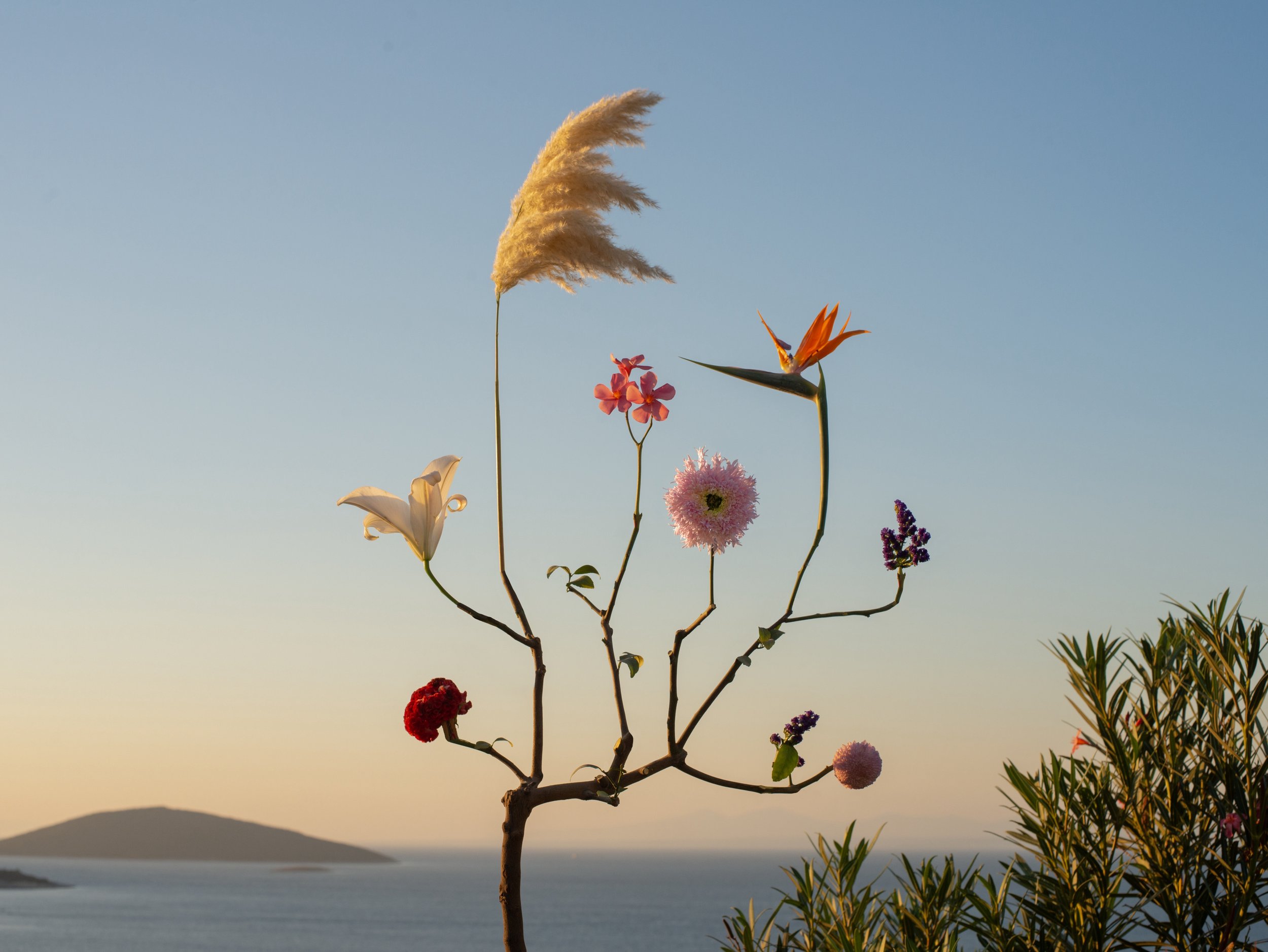
Wild Species advances her inquiry into constructed botanical life across diverse landscapes. These works have been assembled in locations including British Columbia, Scotland, and Turkey, placing her mythological floral beings directly within forests, clearings, and open-air environments. They are charged with ecological awareness, reflecting on resilience, vulnerability, and our shifting relationship to the natural world. Their fragility underscores the interdependence at the core of all living systems.
In 2025, Latour completed a new body of work during an artist residency in Turkey. Select editions from this series are available exclusively through ADDITION. Her work was also recently acquired by the University of Toronto, marking an important addition to her institutional presence.
Across her series, Latour’s forms possess an unmistakable individuality, yet they participate in a shared biological logic that evokes the interconnectedness of life. Her species function as temporary emissaries from a parallel ecology, suggesting that evolution is as much conceptual as it is natural. Latour’s work proposes that renewal is intrinsic to life, and that transformation remains one of nature’s most enduring creative forces.